X-Plane
Cessna 337 Skymaster ↗
A push-pull twin with one engine at each end of the central fuselage.
1 implementations+ Compare
Explore the aircraft. Find your simulator. Follow the sources.
A push-pull twin with one engine at each end of the central fuselage.
A British utility twin built around short regional and practical transport work.
A pressurised single-engine turboprop family that combines a compact cabin with retractable gear.
A short-field Savage with leading-edge slats and a distinct Got Friends simulator implementation.
Piper's PA-31 utility twin, used in commuter, cargo and corporate transport.
A three-engine airliner that became a mainstay of Soviet and Russian passenger transport.
A two-seat light amphibian with a compact boat hull and a pusher propeller.
A radial-engined utility aircraft closely associated with bush flying and float operations.
A shorter wide-body Airbus from the transition to two-pilot, electronic-instrument cockpits.
Beechcraft's Model 76, designed to introduce pilots to twin-engine flying.
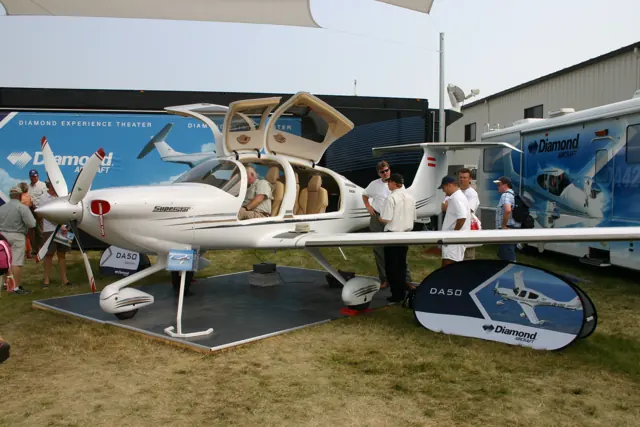
A five-seat composite single whose development led to the diesel DA50 RG.
A tandem-seat jet trainer that also found a second life in civilian display and racing.
A long-range twin whose programme emphasised composite construction and more electrically powered systems.
A four-seat touring family whose Commander 114 added a larger engine and further refinements.
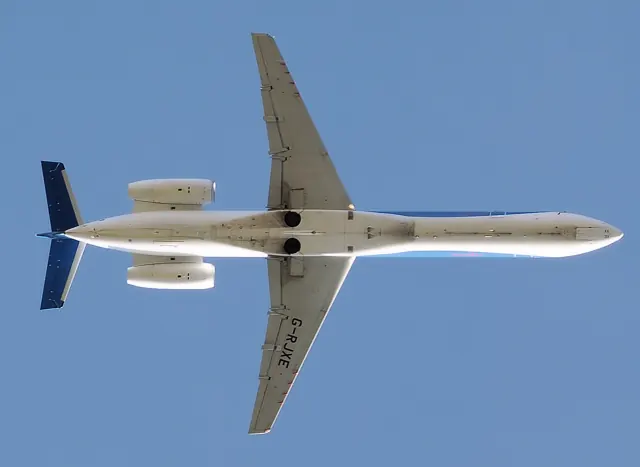
Embraer's regional-jet family, from the ERJ 135 to the longer ERJ 145.
A pressurised single turboprop with a large cargo door and a broad range of working roles.
A tandem two-seat sailplane family used for training and cross-country soaring.
A Polish utility aircraft designed for short takeoffs and landings.
The Wilga is the real-aircraft starting point for Mike Patey's DRACO and the simulator's DRACO X.
A composite, low-wing touring single with fixed gear and a turbocharged engine.
A single-engine utility helicopter known as the Écureuil, Squirrel and AStar.
Airbus's first production aircraft, built around a twin-engine wide-body layout.
A stretched development of the DC-9 with rear-mounted engines and a five-abreast cabin.
A pressurised twin turboprop with a canard, composite airframe and rear-facing propellers.
This is AirframeDB’s first release. More features and aircraft research are planned. Leave your email if you’d like occasional updates.