MSFS
Bell 407 ↗
A four-bladed utility helicopter developed from the LongRanger lineage.
2 implementations+ Compare
Explore the aircraft. Find your simulator. Follow the sources.
A four-bladed utility helicopter developed from the LongRanger lineage.
A modern two-seat piston helicopter designed around the training role.
Two related Dutch regional jets developed from the F28 lineage.
A First World War trainer that became a familiar sight in the barnstorming era.
A light tandem-seat taildragger built around the familiar braced high-wing layout.
A lightweight short-field aircraft with a specialised wing and tall, shock-absorbing landing gear.
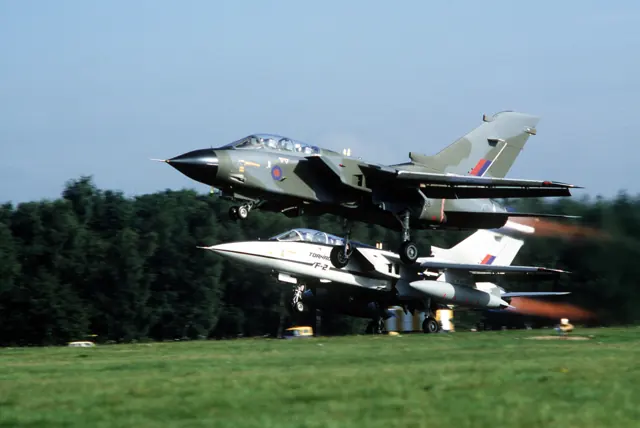
A European variable-sweep combat-aircraft family with distinct strike and interceptor versions.
A cabin biplane with the lower wing placed ahead of the upper one.
A streamlined light twin helicopter, with the later Bell 230 in the same family.
A modern utility single whose family includes both tailwheel and nosewheel configurations.
A post-war Businessliner with a radial engine, cabin transport ambitions and tailwheel gear.
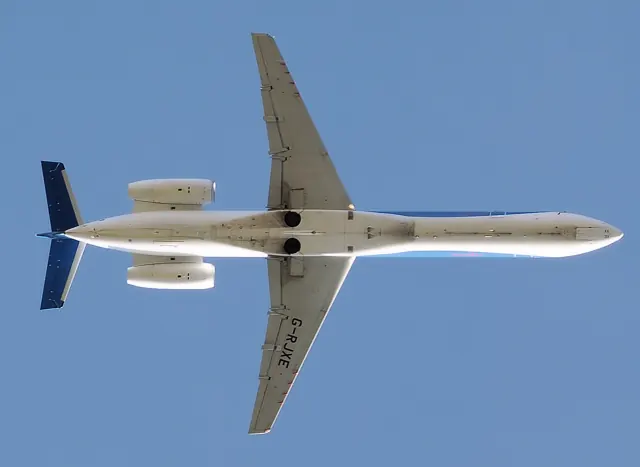
Embraer's regional-jet family, from the ERJ 135 to the longer ERJ 145.
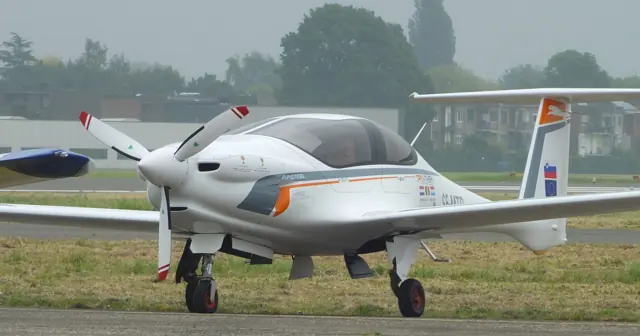
Pipistrel's streamlined four-seat composite-aircraft design.
Ted Smith's piston twin, later produced by Piper as the Aerostar.
Diamond's four-seat light twin, developed with diesel-powered versions.
A small two-seat piston helicopter with a two-bladed main rotor.
A heavy-lift helicopter built around an open frame and an external working load.
Tecnam's four-seat high-wing single, built with metal and carbon-fibre components.
The JetRanger and LongRanger family: a familiar turbine-helicopter shape with distinct cabin lengths.
A modern medium twin-engine helicopter developed as a successor to the Dauphin line.
A small observation-helicopter family with a rounded cabin and compact rotor system.
A close-air-support aircraft with a straight wing, twin tail and two widely separated jet engines.
An advanced trainer known around the world as the Texan, Harvard and SNJ.
A pressurised touring twin whose piston and turbine-conversion versions make a particularly interesting comparison.
This is AirframeDB’s first release. More features and aircraft research are planned. Leave your email if you’d like occasional updates.