X-Plane
Piper PA-31 Navajo ↗
Piper's PA-31 utility twin, used in commuter, cargo and corporate transport.
1 implementations+ Compare
Explore the aircraft. Find your simulator. Follow the sources.
Piper's PA-31 utility twin, used in commuter, cargo and corporate transport.
A narrow-body twin developed as a new generation of medium-range airliner.
A two-seat composite kit aircraft developed from the Lancair 320.
A Polish utility aircraft designed for short takeoffs and landings.
A vast inter-war flying boat with twelve engines arranged in six paired installations.
A single-seat aerobatic monoplane that also became a familiar air-racing aircraft.
A long-range twin whose programme emphasised composite construction and more electrically powered systems.
A wide-cabin business-jet family that developed from Canadair's original Challenger programme.
A modern utility single whose family includes both tailwheel and nosewheel configurations.
A streamlined twin-engine helicopter with a Fenestron tail rotor and retractable landing gear.
A long-running touring single, familiar in both V-tail and conventional-tail forms.
A large amphibious flying boat built around maritime rescue and utility transport.
A carrier-capable multirole fighter, larger than the earlier Hornet from which it developed.
Pipistrel's streamlined four-seat composite-aircraft design.
A shorter wide-body Airbus from the transition to two-pilot, electronic-instrument cockpits.
A four-seat high-wing single that spans generations of conventional instruments and glass cockpits.
A corrugated-metal, three-engine transport from the formative years of airline travel.
A compact Italian light twin with a shoulder wing and metal airframe.
Mooney's four-seat piston family, developed through many touring-aircraft variants.
A self-launching sailplane family with its engine inside the fuselage and a folding nose propeller.
A fixed-wing observation aircraft with a helicopter-like view from its glazed nose.
A utility piston twin designed for commuter and specialist transport missions.
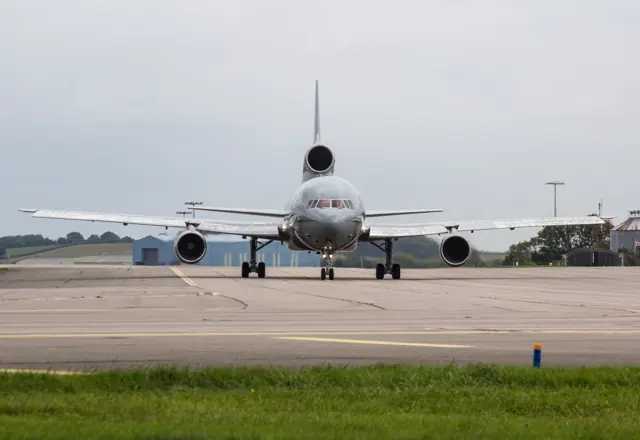
Lockheed's wide-body TriStar, with three RB211 engines and a distinctive tail intake.
Two related Dutch regional jets developed from the F28 lineage.
This is AirframeDB’s first release. More features and aircraft research are planned. Leave your email if you’d like occasional updates.