MSFS
Draco X ↗
The Wilga is the real-aircraft starting point for Mike Patey's DRACO and the simulator's DRACO X.
1 implementations+ Compare
Explore the aircraft. Find your simulator. Follow the sources.
The Wilga is the real-aircraft starting point for Mike Patey's DRACO and the simulator's DRACO X.
A medium commercial helicopter designed for passenger and utility transport.
A compact two-seat light aircraft with a high wing and a wide range of development variants.
A two-seat composite trainer with a low wing and a large canopy.
A utility piston twin designed for commuter and specialist transport missions.
A turbine-powered utility helicopter with a broad cabin and a long international service history.
A very large single-engine biplane designed for practical work from modest airfields.
A DC-10-derived tanker that combined aerial refuelling with passenger and cargo transport.
A light turbine helicopter combining an Alouette II airframe with more powerful Alouette III components.
A shorter wide-body Airbus from the transition to two-pilot, electronic-instrument cockpits.
A hybrid-electric regional-airliner concept represented in the simulator while the real programme develops.
A 1920s flying boat with two engines arranged in tandem above the wing.
A tailwheel utility single built around a high wing and a substantial working cabin.
Cirrus's first type-certified aircraft, a composite piston single.
A four-seat, pressurised kit aircraft with a composite airframe and retractable landing gear.
A corrugated-metal, three-engine transport from the formative years of airline travel.
A small two-seat piston helicopter with a two-bladed main rotor.
A super-midsize business jet with a swept wing, rear-mounted engines and an integrated glass cockpit.
The four-engine wide-body whose raised flight deck created one of aviation's most recognisable profiles.
A tandem-seat light aircraft with a streamlined low-wing layout.
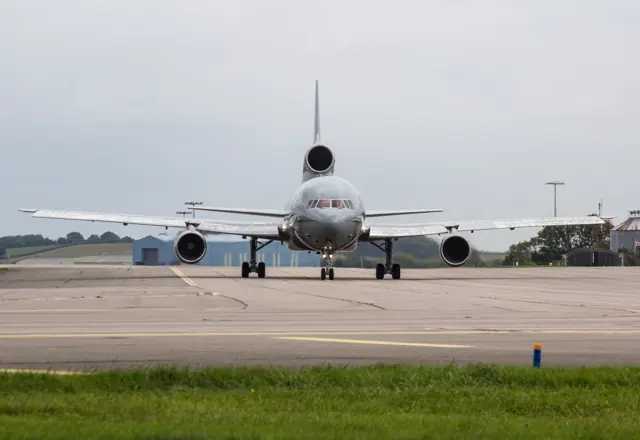
Lockheed's wide-body TriStar, with three RB211 engines and a distinctive tail intake.
A high-wing utility aircraft known for short-field work and a broad choice of working configurations.
A compact Japanese twin turboprop with a high wing and pressurised cabin.
The second-generation Harrier, designed around vectored thrust and short-field operation.
This is AirframeDB’s first release. More features and aircraft research are planned. Leave your email if you’d like occasional updates.