MSFS
Mudry CAP 10 ↗
A French two-seat aerobatic trainer with side-by-side seating and a distinctive curved wing outline.
2 implementations+ Compare
Explore the aircraft. Find your simulator. Follow the sources.
A French two-seat aerobatic trainer with side-by-side seating and a distinctive curved wing outline.
A five-seat turbine helicopter developed from Robinson's smaller piston-helicopter line.
A military liaison aircraft built around a high wing, tandem cabin and short-field utility work.
A modern composite twin with a roomy cabin and two wing-mounted piston engines.
A light tandem-seat taildragger built around the familiar braced high-wing layout.
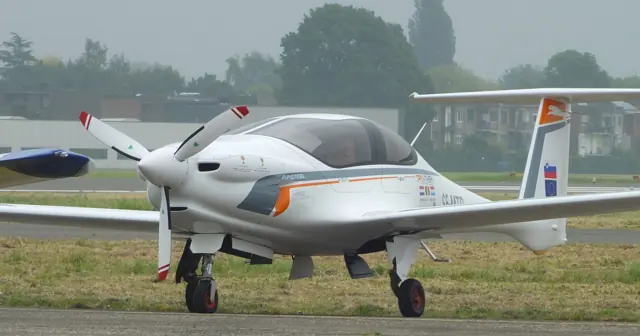
Pipistrel's streamlined four-seat composite-aircraft design.
A Polish utility aircraft designed for short takeoffs and landings.
A DC-10-derived tanker that combined aerial refuelling with passenger and cargo transport.
A four-seat composite touring and training aircraft developed from Diamond's smaller two-seater.
A cabin-class piston twin designed for commuter, cargo and utility work.
An open-cockpit biplane trainer that found a second life in civilian flying.
A long-range twin designed around a new wide-body airframe and extensive composite construction.
The H130 utility helicopter, descended from the AS350 and fitted with a Fenestron.
A pioneering light helicopter whose bubble cabin and exposed structure became widely recognisable.
A self-launching sailplane family with its engine inside the fuselage and a folding nose propeller.
A pressurised twin turboprop with a canard, composite airframe and rear-facing propellers.
A corrugated-metal, three-engine transport from the formative years of airline travel.
Mooney's four-seat piston family, developed through many touring-aircraft variants.
A carrier-capable multirole fighter, larger than the earlier Hornet from which it developed.
A two-seat light amphibian with a compact boat hull and a pusher propeller.
A jet-powered military transport designed for both strategic loads and tactical airfield access.
A six-engine heavy transport created for exceptionally large external and internal loads.
A box-shaped utility twin whose cabin and rear access are central to its design.
A twin-aisle Boeing designed alongside the 757's generation of two-pilot flight decks.
This is AirframeDB’s first release. More features and aircraft research are planned. Leave your email if you’d like occasional updates.