MSFS
Douglas C-47 Skytrain ↗
A military transport developed from the DC-3, used for cargo, troops, parachuting and glider towing.
1 implementations+ Compare
Explore the aircraft. Find your simulator. Follow the sources.
A military transport developed from the DC-3, used for cargo, troops, parachuting and glider towing.
A pioneering light helicopter whose bubble cabin and exposed structure became widely recognisable.
A family of single-aisle airliners built around sidesticks, electronic flight controls and a shared cockpit.
Piper's PA-31 utility twin, used in commuter, cargo and corporate transport.
A long-range strategic bomber with a swept wing and eight jet engines in paired pods.
The Mitchell medium bomber, named for aviation advocate Billy Mitchell.
A short-haul jet family that evolved through several generations of engines, wings and flight decks.
A two-seat naval fighter with variable-sweep wings and a cockpit built around pilot and radar-intercept officer roles.
A large twin-engine helicopter from the Super Puma line, used for offshore and public-service work.
A single-seat aerobatic monoplane that also became a familiar air-racing aircraft.
A short-field Savage with leading-edge slats and a distinct Got Friends simulator implementation.
Regional flying built around a high wing, two turboprops and short sectors.
Tecnam's four-seat high-wing single, built with metal and carbon-fibre components.
A streamlined twin-engine helicopter with a Fenestron tail rotor and retractable landing gear.
A post-war Businessliner with a radial engine, cabin transport ambitions and tailwheel gear.
A five-seat turbine helicopter developed from Robinson's smaller piston-helicopter line.
A four-bladed utility helicopter developed from the LongRanger lineage.
Cirrus's first type-certified aircraft, a composite piston single.
A high-wing utility turboprop designed for short-field passenger and cargo work.
A long-range trijet developed from the DC-10 with a stretched fuselage and revised wing and cockpit.
A vast inter-war flying boat with twelve engines arranged in six paired installations.
A rear-engined trijet built to bring jet service to shorter routes and smaller airports.
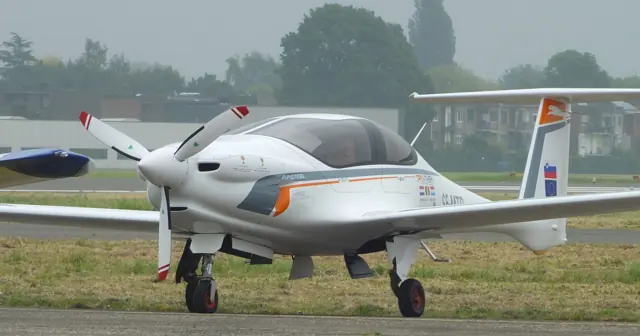
Pipistrel's streamlined four-seat composite-aircraft design.
A three-engine airliner that became a mainstay of Soviet and Russian passenger transport.
This is AirframeDB’s first release. More features and aircraft research are planned. Leave your email if you’d like occasional updates.