MSFS
Cessna 404 Titan ↗
A cabin-class piston twin designed for commuter, cargo and utility work.
1 implementations+ Compare
Explore the aircraft. Find your simulator. Follow the sources.
A cabin-class piston twin designed for commuter, cargo and utility work.
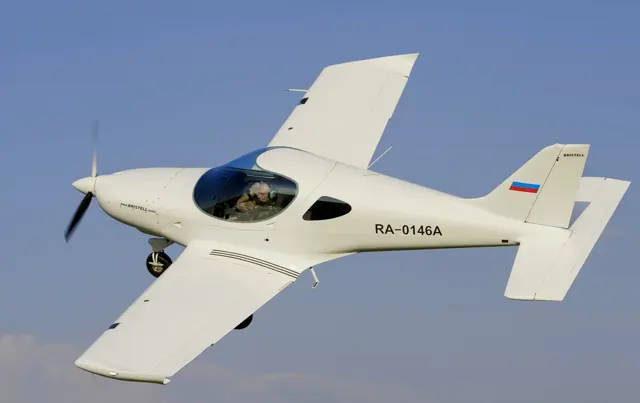
BRM Aero's two-seat B23, represented in MSFS by Airfoillabs.
Two related Dutch regional jets developed from the F28 lineage.
A compact two-seat light aircraft with a high wing and a wide range of development variants.
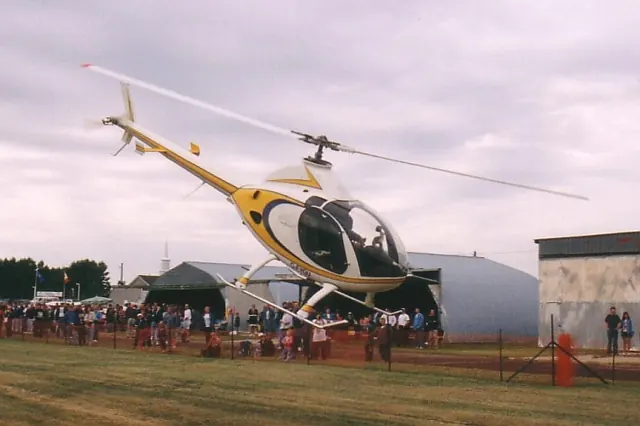
RotorWay's two-seat kit-helicopter family, with piston and turbine simulator interpretations.
A low-wing agricultural Cessna with a cockpit and hopper arranged around the job.
The H130 utility helicopter, descended from the AS350 and fitted with a Fenestron.
A twin-engine utility helicopter with roots in the BK 117 and EC145 families.
A Canadian tandem-seat trainer developed after the Second World War.
A tandem-seat light aircraft with a streamlined low-wing layout.
A high-wing utility turboprop designed for short-field passenger and cargo work.
A two-seat Tecnam high-wing aircraft combining composite and metal construction.
A self-launching sailplane family with its engine inside the fuselage and a folding nose propeller.
A First World War trainer that became a familiar sight in the barnstorming era.
A composite amphibian that carries Dornier's centreline engine arrangement into the turboprop era.
A long-range twin whose programme emphasised composite construction and more electrically powered systems.
A large long-haul twin that introduced Boeing's first commercial fly-by-wire airliner flight controls.
A twin-turboprop utility aircraft developed by Reims Aviation with Cessna.
A compact utility helicopter distinguished by its enclosed Fenestron tail rotor.
A compact twin-engine helicopter widely used for medical, police and training work.
A single-seat competition sailplane offered in Standard and 18-metre configurations.
A two-seat naval fighter with variable-sweep wings and a cockpit built around pilot and radar-intercept officer roles.
A Swedish reconnaissance and dive-bombing aircraft from the early 1940s.
The second-generation Harrier, designed around vectored thrust and short-field operation.
This is AirframeDB’s first release. More features and aircraft research are planned. Leave your email if you’d like occasional updates.