MSFS
Lockheed L-1011 TriStar ↗
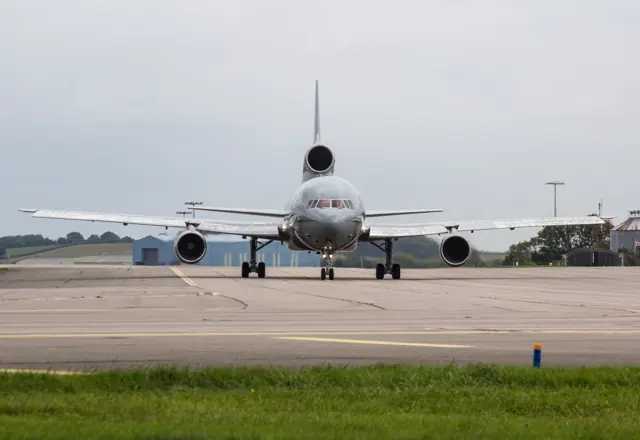
Lockheed's wide-body TriStar, with three RB211 engines and a distinctive tail intake.
1 implementations+ Compare
Explore the aircraft. Find your simulator. Follow the sources.
Lockheed's wide-body TriStar, with three RB211 engines and a distinctive tail intake.
Regional flying built around a high wing, two turboprops and short sectors.
A four-engine airliner that brought pressurised-cabin travel into scheduled service.
A two-seat composite kit aircraft developed from the Lancair 320.
A jet-powered military transport designed for both strategic loads and tactical airfield access.
The purpose-built Ryan monoplane used by Charles Lindbergh for his 1927 solo Atlantic crossing.
A tandem-seat homebuilt jet with composite construction and retractable landing gear.
A long-range twin designed around a new wide-body airframe and extensive composite construction.
A lightweight pusher family with an enclosed cabin and a high, braced wing.
A heavy transport helicopter whose two large rotors remove the need for a tail rotor.
A four-bladed utility helicopter developed from the LongRanger lineage.
A long-range fighter whose different engine and canopy developments produced several distinct forms.
A 1920s flying boat with two engines arranged in tandem above the wing.
A compact twin-engine transport helicopter with retractable gear and a long development history.
A French two-seat aerobatic trainer with side-by-side seating and a distinctive curved wing outline.
A tandem two-seat sailplane family used for training and cross-country soaring.
An enclosed-cabin development of the Bell 47, shaped for passenger and executive transport.
A corrugated-metal, three-engine transport from the formative years of airline travel.
A two-seat naval fighter with variable-sweep wings and a cockpit built around pilot and radar-intercept officer roles.
The second-generation Harrier, designed around vectored thrust and short-field operation.
The H130 utility helicopter, descended from the AS350 and fitted with a Fenestron.
A close-air-support aircraft with a straight wing, twin tail and two widely separated jet engines.
The Huey: a turbine-powered utility helicopter with a broad cabin and an unmistakable two-bladed rotor.
A large long-haul twin that introduced Boeing's first commercial fly-by-wire airliner flight controls.
This is AirframeDB’s first release. More features and aircraft research are planned. Leave your email if you’d like occasional updates.


























