MSFS
Junkers JU 52 ↗
A corrugated-metal transport best known in its three-engine form.
1 implementations+ Compare
Explore the aircraft. Find your simulator. Follow the sources.
A corrugated-metal transport best known in its three-engine form.
A 1920s flying boat with two engines arranged in tandem above the wing.
A utility piston twin designed for commuter and specialist transport missions.
Regional flying built around a high wing, two turboprops and short sectors.
A four-seat composite touring and training aircraft developed from Diamond's smaller two-seater.
A six-seat composite single turboprop with a pressurised cabin and retractable gear.
A shorter wide-body Airbus from the transition to two-pilot, electronic-instrument cockpits.
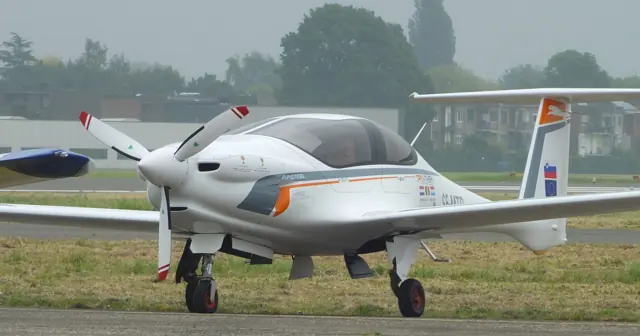
Pipistrel's streamlined four-seat composite-aircraft design.
A four-engine airliner whose history also includes long-range maritime military service.
Mooney's four-seat piston family, developed through many touring-aircraft variants.
Cessna's retractable-gear Centurion, a high-wing touring aircraft.
The four-engine Flying Fortress, a major American bomber of the Second World War.
A compact two-seat light aircraft with a high wing and a wide range of development variants.
A fixed-wing observation aircraft with a helicopter-like view from its glazed nose.
A twin-engine utility helicopter with roots in the BK 117 and EC145 families.
A long-range strategic bomber with a swept wing and eight jet engines in paired pods.
A carbon-fibre aerobatic monoplane family with a dedicated air-racing branch.
A modern two-seat piston helicopter designed around the training role.
TorqueSim's Pocket Rocket, a simulated PT6-powered light aircraft with two gear layouts.
A high-wing utility turboprop designed for short-field passenger and cargo work.
A midsize business jet developed by Bombardier’s Learjet division.
A purpose-built agricultural aircraft that also became a single-engine air tanker.
A family of single-aisle airliners built around sidesticks, electronic flight controls and a shared cockpit.
A personal jet with one engine above the rear fuselage and a distinctive V-tail.
This is AirframeDB’s first release. More features and aircraft research are planned. Leave your email if you’d like occasional updates.