MSFS
ICON A5 ↗
A two-seat light amphibian with a compact boat hull and a pusher propeller.
2 implementations+ Compare
Explore the aircraft. Find your simulator. Follow the sources.
A two-seat light amphibian with a compact boat hull and a pusher propeller.
A pressurised single turboprop with a large cargo door and a broad range of working roles.
A huge wooden flying-boat prototype that made one brief flight in 1947.
Two related Dutch regional jets developed from the F28 lineage.
A six-engine heavy transport created for exceptionally large external and internal loads.
A First World War trainer that became a familiar sight in the barnstorming era.
A vast inter-war flying boat with twelve engines arranged in six paired installations.
Tecnam's four-seat high-wing single, built with metal and carbon-fibre components.
A heavy transport helicopter whose two large rotors remove the need for a tail rotor.
A tailwheel utility single built around a high wing and a substantial working cabin.
A rear-engined trijet built to bring jet service to shorter routes and smaller airports.
A four-seat kit-built touring aircraft that expanded the RV family beyond two-seat designs.
Dassault's long-range Falcon 8X, developed from the three-engine 7X.
A tandem two-seat sailplane designed for instruction and broader soaring use.
A light business jet with a swept wing, rear-mounted engines and an integrated flight deck.
A high-wing utility turboprop designed for short-field passenger and cargo work.
A compact Japanese twin turboprop with a high wing and pressurised cabin.
A low-wing agricultural Cessna with a cockpit and hopper arranged around the job.
A post-war Businessliner with a radial engine, cabin transport ambitions and tailwheel gear.
A super-midsize business jet with a swept wing, rear-mounted engines and an integrated glass cockpit.
Piper's PA-31 utility twin, used in commuter, cargo and corporate transport.
A four-seat composite touring and training aircraft developed from Diamond's smaller two-seater.
A pressurised touring twin whose piston and turbine-conversion versions make a particularly interesting comparison.
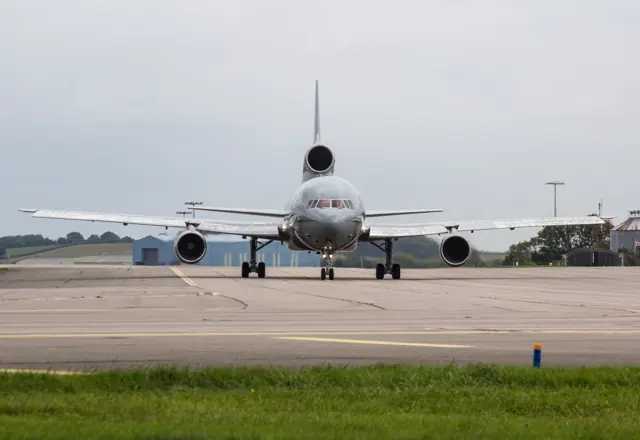
Lockheed's wide-body TriStar, with three RB211 engines and a distinctive tail intake.
This is AirframeDB’s first release. More features and aircraft research are planned. Leave your email if you’d like occasional updates.