X-Plane
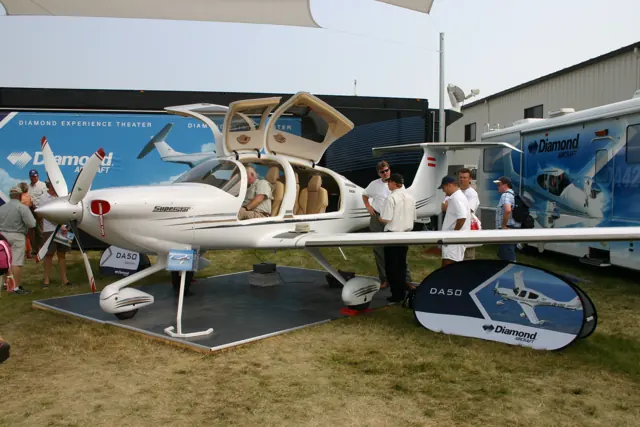
Diamond DA50 ↗
A five-seat composite single whose development led to the diesel DA50 RG.
1 implementations+ Compare
Explore the aircraft. Find your simulator. Follow the sources.
A five-seat composite single whose development led to the diesel DA50 RG.
An advanced trainer known around the world as the Texan, Harvard and SNJ.
A small observation-helicopter family with a rounded cabin and compact rotor system.
A rear-engined trijet built to bring jet service to shorter routes and smaller airports.
The purpose-built Ryan monoplane used by Charles Lindbergh for his 1927 solo Atlantic crossing.
A four-seat kit-built touring aircraft that expanded the RV family beyond two-seat designs.
Tecnam's four-seat high-wing single, built with metal and carbon-fibre components.
A specialised reconnaissance aircraft designed for very high altitude and sustained supersonic flight.
A wartime fighter developed from the earlier Curtiss P-36.
A twin-turboprop family whose smaller conventional-tail and larger T-tail branches have distinct identities.
A four-engine airliner that brought pressurised-cabin travel into scheduled service.
A two-seat composite light-aircraft family with a high wing and a compact enclosed cabin.
An unpowered military cargo glider designed to deliver troops and equipment behind a tow aircraft.
A composite touring single with a whole-aircraft parachute and several generations of avionics.
A long-haul twin whose family spans passenger, freight and specialist transport roles.
Regional flying built around a high wing, two turboprops and short sectors.
A single-seat aerobatic monoplane that also became a familiar air-racing aircraft.
A pressurised touring twin whose piston and turbine-conversion versions make a particularly interesting comparison.
A pressurised single turboprop with a large cargo door and a broad range of working roles.
A French two-seat aerobatic trainer with side-by-side seating and a distinctive curved wing outline.
A two-seat composite trainer with a low wing and a large canopy.
A Swedish reconnaissance and dive-bombing aircraft from the early 1940s.
A military transport developed from the DC-3, used for cargo, troops, parachuting and glider towing.
A utility-aircraft family whose stretched 207 branch trades compact proportions for more cabin space.
This is AirframeDB’s first release. More features and aircraft research are planned. Leave your email if you’d like occasional updates.































