MSFS
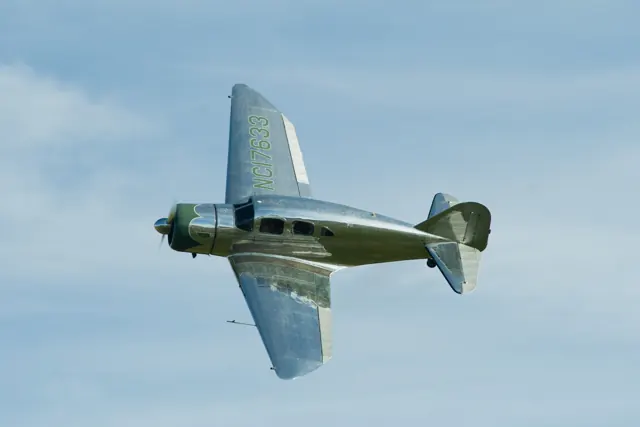
Spartan 7W Executive ↗
A late-1930s cabin aircraft with metal construction and retractable landing gear.
1 implementations+ Compare
Explore the aircraft. Find your simulator. Follow the sources.
A late-1930s cabin aircraft with metal construction and retractable landing gear.
A four-engine Airbus wide-body developed in parallel with the A330.
A single-seat competition sailplane offered in Standard and 18-metre configurations.
A light business jet with a swept wing, rear-mounted engines and an integrated flight deck.
A pressurised touring twin whose piston and turbine-conversion versions make a particularly interesting comparison.
A four-engine military turboprop designed to combine tactical access with long-distance transport.
A tandem two-seat sailplane designed for instruction and broader soaring use.
A six-engine heavy transport created for exceptionally large external and internal loads.
A regional turboprop family whose short early versions and larger Q400 have different proportions and systems.
A five-seat turbine helicopter developed from Robinson's smaller piston-helicopter line.
A twin-aisle Boeing designed alongside the 757's generation of two-pilot flight decks.
A medium commercial helicopter designed for passenger and utility transport.
A small observation-helicopter family with a rounded cabin and compact rotor system.
A lightweight short-field aircraft with a specialised wing and tall, shock-absorbing landing gear.
An enclosed, two-seat autogyro with side-by-side seating and a pusher propeller.
A light tandem-seat taildragger built around the familiar braced high-wing layout.
A push-pull twin with one engine at each end of the central fuselage.
The four-engine Flying Fortress, a major American bomber of the Second World War.
The purpose-built Ryan monoplane used by Charles Lindbergh for his 1927 solo Atlantic crossing.
The H130 utility helicopter, descended from the AS350 and fitted with a Fenestron.
A military transport developed from the DC-3, used for cargo, troops, parachuting and glider towing.
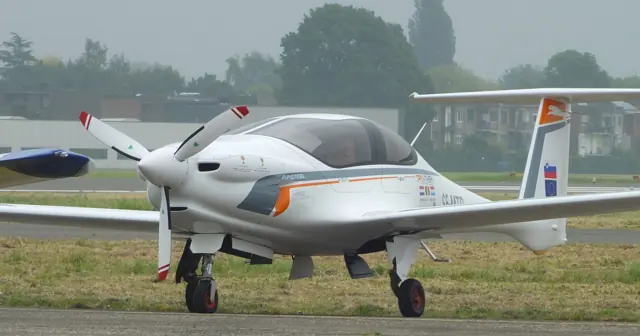
Pipistrel's streamlined four-seat composite-aircraft design.
A wooden touring-aircraft family recognisable by the upward-angled outer wing panels.
A long-running touring single, familiar in both V-tail and conventional-tail forms.
This is AirframeDB’s first release. More features and aircraft research are planned. Leave your email if you’d like occasional updates.