MSFS
Lockheed L-1011 TriStar ↗
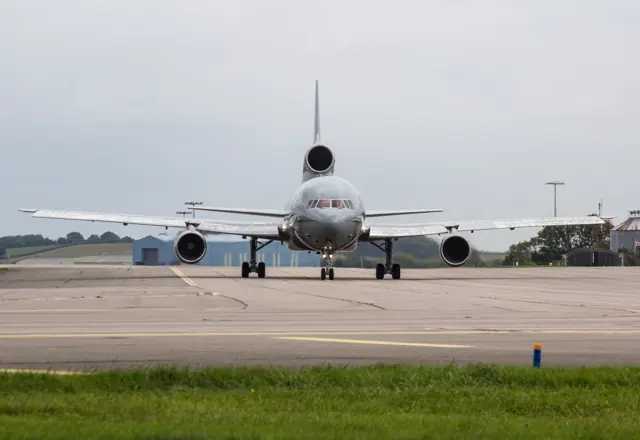
Lockheed's wide-body TriStar, with three RB211 engines and a distinctive tail intake.
1 implementations+ Compare
Explore the aircraft. Find your simulator. Follow the sources.
Lockheed's wide-body TriStar, with three RB211 engines and a distinctive tail intake.
A long-range trijet developed from the DC-10 with a stretched fuselage and revised wing and cockpit.
A wide-cabin business-jet family that developed from Canadair's original Challenger programme.
An all-metal sport and touring aircraft from Bayerische Flugzeugwerke.
The CJ4 belongs to Cessna's light-jet line, with two rear-mounted engines and a T-tail.
A two-seat naval fighter with variable-sweep wings and a cockpit built around pilot and radar-intercept officer roles.
The purpose-built Ryan monoplane used by Charles Lindbergh for his 1927 solo Atlantic crossing.
A small twin-engine amphibian that moved from business transport into military and utility service.
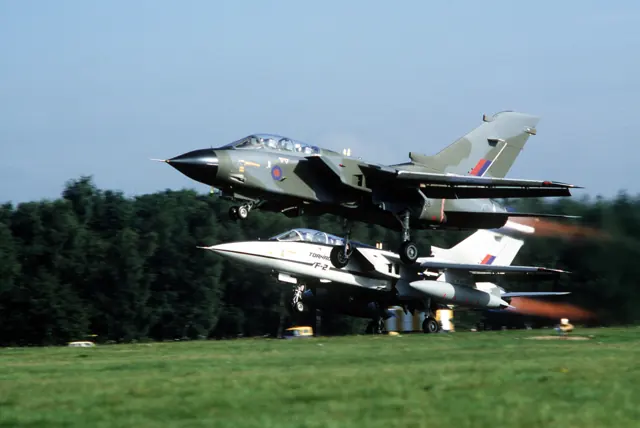
A European variable-sweep combat-aircraft family with distinct strike and interceptor versions.
A composite touring single with a whole-aircraft parachute and several generations of avionics.
A post-war Businessliner with a radial engine, cabin transport ambitions and tailwheel gear.
A narrow-body twin developed as a new generation of medium-range airliner.
A tandem two-seat sailplane family used for training and cross-country soaring.
Avro's delta-wing bomber, developed for Britain's postwar strategic force.
The JetRanger and LongRanger family: a familiar turbine-helicopter shape with distinct cabin lengths.
An unpowered military cargo glider designed to deliver troops and equipment behind a tow aircraft.
A specialised reconnaissance aircraft designed for very high altitude and sustained supersonic flight.
A compact twin-engine transport helicopter with retractable gear and a long development history.
A streamlined light twin helicopter, with the later Bell 230 in the same family.
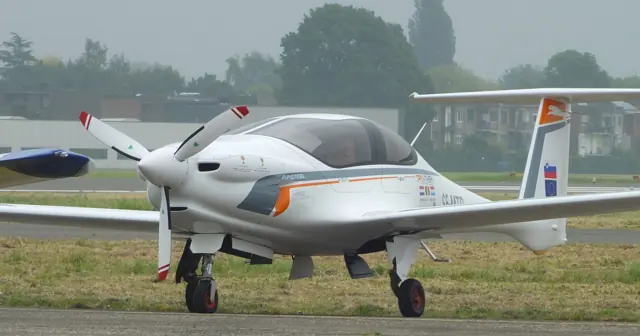
Pipistrel's streamlined four-seat composite-aircraft design.
A twin-turboprop family whose smaller conventional-tail and larger T-tail branches have distinct identities.
A regional turboprop family whose short early versions and larger Q400 have different proportions and systems.
A long-range fighter whose different engine and canopy developments produced several distinct forms.
This is AirframeDB’s first release. More features and aircraft research are planned. Leave your email if you’d like occasional updates.