MSFS X-Plane
Diamond DA62 ↗
A modern composite twin with a roomy cabin and two wing-mounted piston engines.
3 implementations+ Compare
Explore the aircraft. Find your simulator. Follow the sources.
A modern composite twin with a roomy cabin and two wing-mounted piston engines.
A fixed-gear twin turboprop with a long history in regional and remote-area transport.
A four-seat kit-built touring aircraft that expanded the RV family beyond two-seat designs.
A radial-engined light transport whose long career covered passengers, freight and military training.
A compact Japanese twin turboprop with a high wing and pressurised cabin.
An all-metal sport and touring aircraft from Bayerische Flugzeugwerke.
The Model 525 CitationJet, the starting point of Cessna's CJ and M2 lineage.
A three-engine airliner that became a mainstay of Soviet and Russian passenger transport.
Airbus's first production aircraft, built around a twin-engine wide-body layout.
The JetRanger and LongRanger family: a familiar turbine-helicopter shape with distinct cabin lengths.
A light tandem-seat taildragger built around the familiar braced high-wing layout.
Cirrus's first type-certified aircraft, a composite piston single.
A Brazilian light trainer with a high wing, tandem seats and a simple utility layout.
A four-engine airliner that brought pressurised-cabin travel into scheduled service.
A small two-seat piston helicopter with a two-bladed main rotor.
A high-wing utility turboprop designed for short-field passenger and cargo work.
A single-seat aerobatic monoplane that also became a familiar air-racing aircraft.
A corrugated-metal transport best known in its three-engine form.
A twin-turbine Huey descendant with a four-blade main rotor.
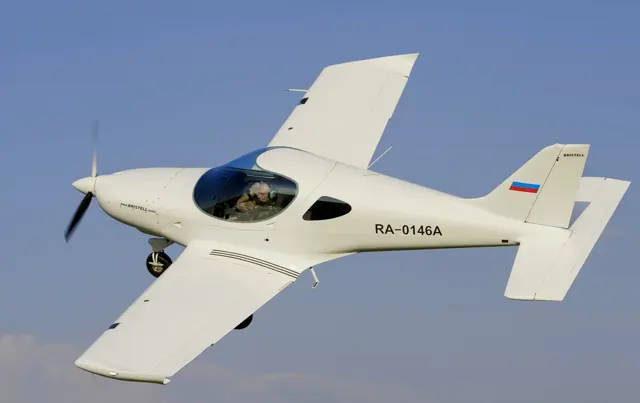
BRM Aero's two-seat B23, represented in MSFS by Airfoillabs.
A two-seat training single with a high wing and fixed tricycle landing gear.
TorqueSim's Pocket Rocket, a simulated PT6-powered light aircraft with two gear layouts.
A single-seat competition sailplane offered in Standard and 18-metre configurations.
A heavy transport helicopter whose two large rotors remove the need for a tail rotor.
This is AirframeDB’s first release. More features and aircraft research are planned. Leave your email if you’d like occasional updates.