MSFS
ICON A5 ↗
A two-seat light amphibian with a compact boat hull and a pusher propeller.
2 implementations+ Compare
Explore the aircraft. Find your simulator. Follow the sources.
A two-seat light amphibian with a compact boat hull and a pusher propeller.
Dassault's long-range Falcon 8X, developed from the three-engine 7X.
Lockheed's tandem-seat Shooting Star jet trainer.
A low-wing piston family that spans simple trainers, touring aircraft and retractable-gear Arrows.
A six-engine heavy transport created for exceptionally large external and internal loads.
A very large single-engine biplane designed for practical work from modest airfields.
Airbus's first production aircraft, built around a twin-engine wide-body layout.
A twin-turboprop family whose smaller conventional-tail and larger T-tail branches have distinct identities.
Piper's two-seat trainer with fixed tricycle landing gear.
Tecnam's four-seat high-wing single, built with metal and carbon-fibre components.
A pressurised twin turboprop with a canard, composite airframe and rear-facing propellers.
A utility piston twin designed for commuter and specialist transport missions.
A twin-engine utility helicopter with roots in the BK 117 and EC145 families.
A wartime fighter developed from the earlier Curtiss P-36.
A modern utility single whose family includes both tailwheel and nosewheel configurations.
A modern composite twin with a roomy cabin and two wing-mounted piston engines.
A tandem-seat homebuilt jet with composite construction and retractable landing gear.
A DC-10-derived tanker that combined aerial refuelling with passenger and cargo transport.
Cessna's retractable-gear Centurion, a high-wing touring aircraft.
A four-engine Airbus wide-body developed in parallel with the A330.
A streamlined twin-engine helicopter with a Fenestron tail rotor and retractable landing gear.
A compact utility helicopter distinguished by its enclosed Fenestron tail rotor.
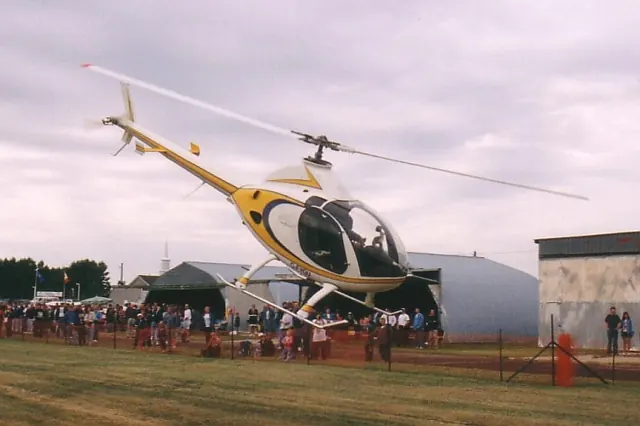
RotorWay's two-seat kit-helicopter family, with piston and turbine simulator interpretations.
A 1920s flying boat with two engines arranged in tandem above the wing.
This is AirframeDB’s first release. More features and aircraft research are planned. Leave your email if you’d like occasional updates.