MSFS
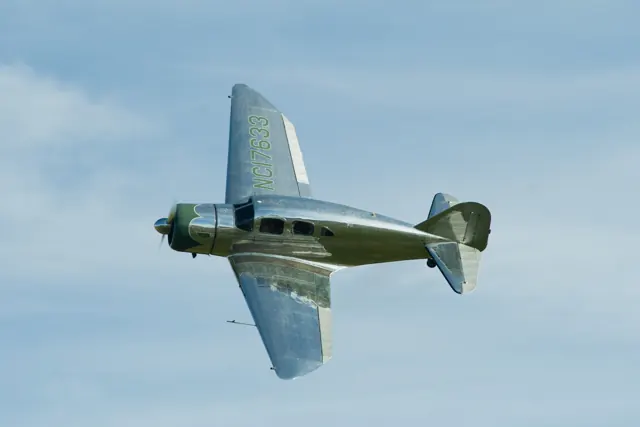
Spartan 7W Executive ↗
A late-1930s cabin aircraft with metal construction and retractable landing gear.
1 implementations+ Compare
Explore the aircraft. Find your simulator. Follow the sources.
A late-1930s cabin aircraft with metal construction and retractable landing gear.
A large amphibious flying boat built around maritime rescue and utility transport.
A British jet trainer with tandem seating and a long military training career.
A pressurised twin turboprop with a canard, composite airframe and rear-facing propellers.
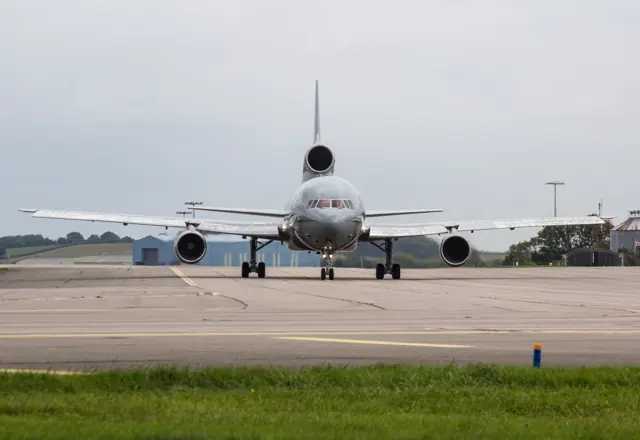
Lockheed's wide-body TriStar, with three RB211 engines and a distinctive tail intake.
The H130 utility helicopter, descended from the AS350 and fitted with a Fenestron.
A five-seat turbine helicopter developed from Robinson's smaller piston-helicopter line.
A French two-seat aerobatic trainer with side-by-side seating and a distinctive curved wing outline.
A tandem-seat jet trainer that also found a second life in civilian display and racing.
The fixed-gear, six-cylinder touring branch of Piper's PA-28 family.
A long-range fighter whose different engine and canopy developments produced several distinct forms.
A regional jet family with four small engines, a high wing and a large split tail airbrake.
A six-seat composite single turboprop with a pressurised cabin and retractable gear.
TorqueSim's Pocket Rocket, a simulated PT6-powered light aircraft with two gear layouts.
A compact aerobatic biplane family with both single-seat and tandem-seat branches.
A two-seat training single with a high wing and fixed tricycle landing gear.
A pressurised four-engine piston transport from the last major generation before the jet airliner.
A four-abreast regional-jet family spanning the E170, E175, E190 and E195.
Ted Smith's piston twin, later produced by Piper as the Aerostar.
A very large single-engine biplane designed for practical work from modest airfields.
A huge wooden flying-boat prototype that made one brief flight in 1947.
Beechcraft's Model 76, designed to introduce pilots to twin-engine flying.
A heavy transport helicopter whose two large rotors remove the need for a tail rotor.
This is AirframeDB’s first release. More features and aircraft research are planned. Leave your email if you’d like occasional updates.