MSFS
Mitsubishi MU-2 ↗
A compact Japanese twin turboprop with a high wing and pressurised cabin.
1 implementations+ Compare
Explore the aircraft. Find your simulator. Follow the sources.
A compact Japanese twin turboprop with a high wing and pressurised cabin.
A compact utility helicopter distinguished by its enclosed Fenestron tail rotor.
A compact twin-engine transport helicopter with retractable gear and a long development history.
A compact Italian light twin with a shoulder wing and metal airframe.
A four-engine Airbus wide-body developed in parallel with the A330.
A three-engine airliner that became a mainstay of Soviet and Russian passenger transport.
The four-engine Flying Fortress, a major American bomber of the Second World War.
Tecnam's four-seat high-wing single, built with metal and carbon-fibre components.
A long-range twin designed around a new wide-body airframe and extensive composite construction.
A heavy transport helicopter whose two large rotors remove the need for a tail rotor.
A compact aerobatic biplane family with both single-seat and tandem-seat branches.
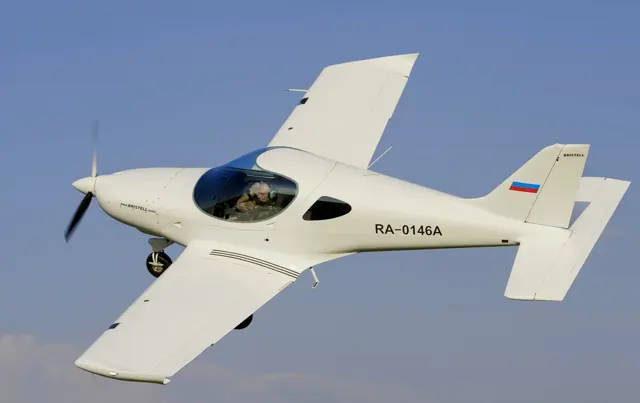
BRM Aero's two-seat B23, represented in MSFS by Airfoillabs.
A post-war Businessliner with a radial engine, cabin transport ambitions and tailwheel gear.
A cabin-class piston twin designed for commuter, cargo and utility work.
Dassault's long-range Falcon 8X, developed from the three-engine 7X.
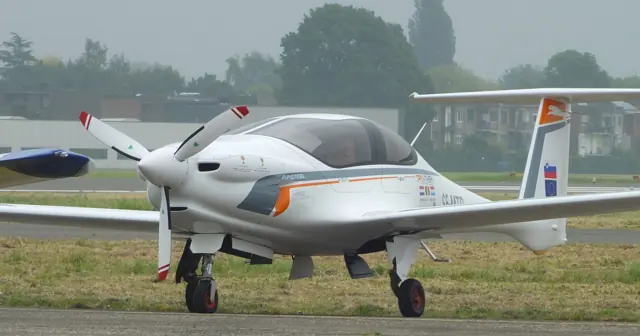
Pipistrel's streamlined four-seat composite-aircraft design.
TorqueSim's Pocket Rocket, a simulated PT6-powered light aircraft with two gear layouts.
An open, single-seat ultralight with its propeller behind the pilot.
A shorter wide-body Airbus from the transition to two-pilot, electronic-instrument cockpits.
A purpose-built aerobatic monoplane family developed by pilot and designer Walter Extra.
An Italian light aircraft known for military training and aerobatic use.
An open-cockpit biplane trainer that found a second life in civilian flying.
A single-engine turboprop workhorse for passenger services, freight and remote-area transport.
A tandem two-seat sailplane designed for instruction and broader soaring use.
This is AirframeDB’s first release. More features and aircraft research are planned. Leave your email if you’d like occasional updates.