MSFS
Airbus Helicopter H225 ↗
A large twin-engine helicopter from the Super Puma line, used for offshore and public-service work.
1 implementations+ Compare
Explore the aircraft. Find your simulator. Follow the sources.
A large twin-engine helicopter from the Super Puma line, used for offshore and public-service work.
A four-seat kit-built touring aircraft that expanded the RV family beyond two-seat designs.
A very large single-engine biplane designed for practical work from modest airfields.
A compact twin-engine transport helicopter with retractable gear and a long development history.
A close-air-support aircraft with a straight wing, twin tail and two widely separated jet engines.
A shorter wide-body Airbus from the transition to two-pilot, electronic-instrument cockpits.
Cirrus's first type-certified aircraft, a composite piston single.
A small two-seat piston helicopter with a two-bladed main rotor.
A two-seat Tecnam high-wing aircraft combining composite and metal construction.
A rear-engined trijet built to bring jet service to shorter routes and smaller airports.
A British jet trainer with tandem seating and a long military training career.
A First World War trainer that became a familiar sight in the barnstorming era.
The purpose-built Ryan monoplane used by Charles Lindbergh for his 1927 solo Atlantic crossing.
A large twin-radial transport that carried heavy loads through wartime and post-war freight service.
Dassault's long-range Falcon 8X, developed from the three-engine 7X.
A family of single-aisle airliners built around sidesticks, electronic flight controls and a shared cockpit.
An enlarged Velocity kit aircraft with a canard and rear-mounted pusher propeller.
A four-seat high-wing single that spans generations of conventional instruments and glass cockpits.
The Wilga is the real-aircraft starting point for Mike Patey's DRACO and the simulator's DRACO X.
A light turbine helicopter combining an Alouette II airframe with more powerful Alouette III components.
A four-seat composite touring and training aircraft developed from Diamond's smaller two-seater.
A push-pull twin with one engine at each end of the central fuselage.
A 1920s flying boat with two engines arranged in tandem above the wing.
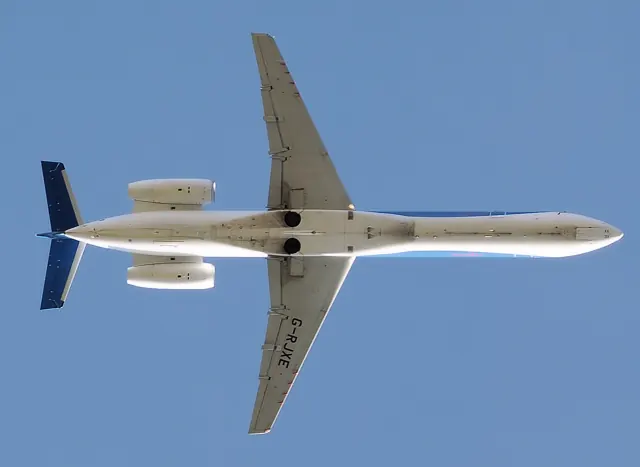
Embraer's regional-jet family, from the ERJ 135 to the longer ERJ 145.
This is AirframeDB’s first release. More features and aircraft research are planned. Leave your email if you’d like occasional updates.