MSFS
Douglas DC-3 ↗
A twin-radial airliner that helped make practical passenger transport a regular business.
2 implementations+ Compare
Explore the aircraft. Find your simulator. Follow the sources.
A twin-radial airliner that helped make practical passenger transport a regular business.
A corrugated-metal, three-engine transport from the formative years of airline travel.
A composite touring single with a whole-aircraft parachute and several generations of avionics.
A tandem two-seat sailplane family used for training and cross-country soaring.
A very large single-engine biplane designed for practical work from modest airfields.
A long-range trijet developed from the DC-10 with a stretched fuselage and revised wing and cockpit.
A modern utility single whose family includes both tailwheel and nosewheel configurations.
A very light twin jet developed from the Eclipse 500.
A heavy transport helicopter whose two large rotors remove the need for a tail rotor.
A compact two-seat light aircraft with a high wing and a wide range of development variants.
A long-haul twin whose family spans passenger, freight and specialist transport roles.
A twin-radial military transport with a rear ramp and short-field design priorities.
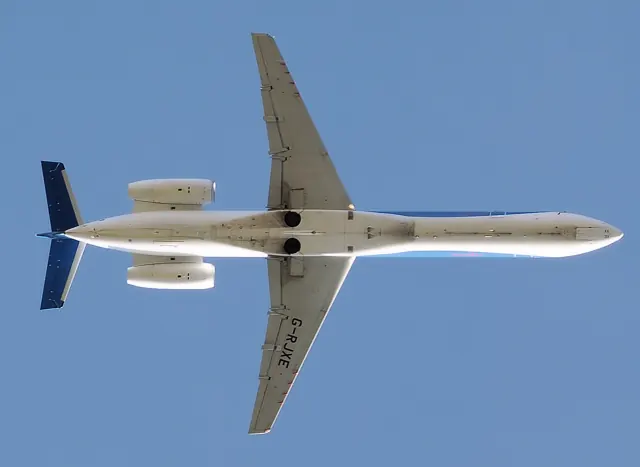
Embraer's regional-jet family, from the ERJ 135 to the longer ERJ 145.
An Italian light aircraft known for military training and aerobatic use.
A small twin-engine amphibian that moved from business transport into military and utility service.
The Wilga is the real-aircraft starting point for Mike Patey's DRACO and the simulator's DRACO X.
A heavy-lift helicopter built around an open frame and an external working load.
A four-engine tactical transport built around a rear loading ramp and access to austere airfields.
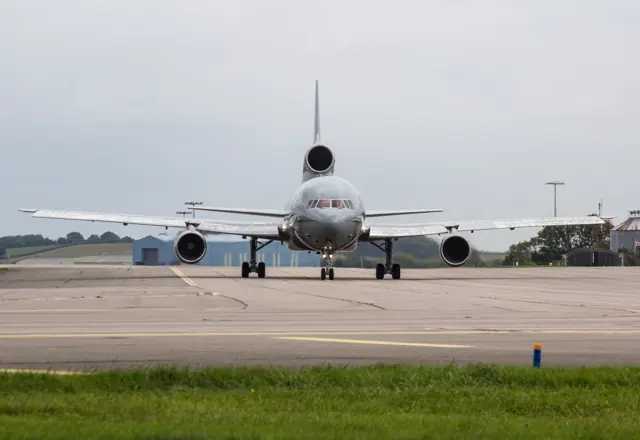
Lockheed's wide-body TriStar, with three RB211 engines and a distinctive tail intake.
A compact aerobatic biplane family with both single-seat and tandem-seat branches.
An enclosed-cabin development of the Bell 47, shaped for passenger and executive transport.
A stretched development of the DC-9 with rear-mounted engines and a five-abreast cabin.
A pressurised twin turboprop with a canard, composite airframe and rear-facing propellers.
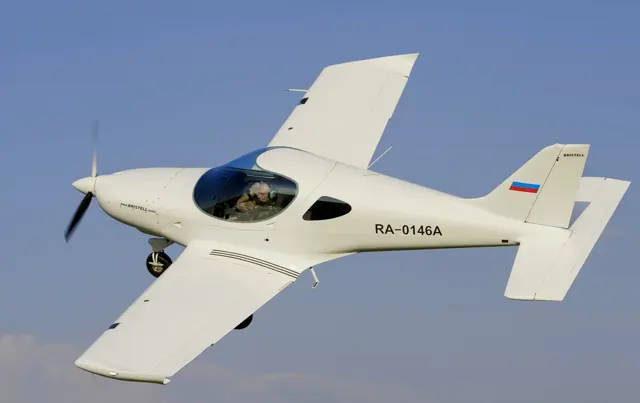
BRM Aero's two-seat B23, represented in MSFS by Airfoillabs.
This is AirframeDB’s first release. More features and aircraft research are planned. Leave your email if you’d like occasional updates.