MSFS X-Plane
North American T-6 Texan ↗
An advanced trainer known around the world as the Texan, Harvard and SNJ.
2 implementations+ Compare
Explore the aircraft. Find your simulator. Follow the sources.
An advanced trainer known around the world as the Texan, Harvard and SNJ.
A twin-aisle Boeing designed alongside the 757's generation of two-pilot flight decks.
A six-seat composite single turboprop with a pressurised cabin and retractable gear.
A tandem-seat light aircraft with a streamlined low-wing layout.
The Mitchell medium bomber, named for aviation advocate Billy Mitchell.
An open, single-seat ultralight with its propeller behind the pilot.
A four-engine Airbus wide-body developed in parallel with the A330.
Beechcraft's Model 76, designed to introduce pilots to twin-engine flying.
A push-pull twin with one engine at each end of the central fuselage.
A personal jet with one engine above the rear fuselage and a distinctive V-tail.
A long-range fighter whose different engine and canopy developments produced several distinct forms.
A large long-haul twin that introduced Boeing's first commercial fly-by-wire airliner flight controls.
A narrow-body twin developed as a new generation of medium-range airliner.
Piper's PA-31 utility twin, used in commuter, cargo and corporate transport.
A regional jet family with four small engines, a high wing and a large split tail airbrake.
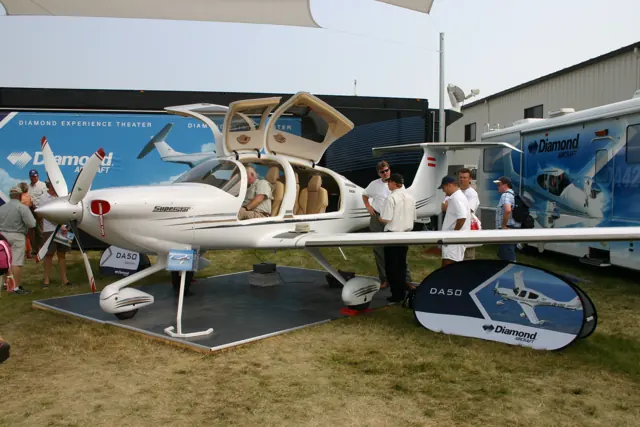
A four-seat, pressurised kit aircraft with a composite airframe and retractable landing gear.
A light business jet with a swept wing, rear-mounted engines and an integrated flight deck.
A compact Italian light twin with a shoulder wing and metal airframe.
A four-abreast regional-jet family spanning the E170, E175, E190 and E195.
A single-engine turboprop workhorse for passenger services, freight and remote-area transport.
A two-seat training single with a high wing and fixed tricycle landing gear.
A heavy transport helicopter whose two large rotors remove the need for a tail rotor.
A five-seat composite single whose development led to the diesel DA50 RG.
A rear-engined trijet built to bring jet service to shorter routes and smaller airports.
This is AirframeDB’s first release. More features and aircraft research are planned. Leave your email if you’d like occasional updates.