X-Plane
McDonnell Douglas MD-80 / MD-82 ↗
A stretched development of the DC-9 with rear-mounted engines and a five-abreast cabin.
3 implementations+ Compare
Explore the aircraft. Find your simulator. Follow the sources.
A stretched development of the DC-9 with rear-mounted engines and a five-abreast cabin.
A two-seat naval fighter with variable-sweep wings and a cockpit built around pilot and radar-intercept officer roles.
A compact aerobatic biplane family with both single-seat and tandem-seat branches.
A small twin-engine amphibian that moved from business transport into military and utility service.
Epic's experimental light-jet project, represented in simulation by Aerobask.
A four-engine airliner that brought pressurised-cabin travel into scheduled service.
An open, single-seat ultralight with its propeller behind the pilot.
Piper's two-seat trainer with fixed tricycle landing gear.
A small observation-helicopter family with a rounded cabin and compact rotor system.
A two-seat, twin-engine fighter that served naval and land-based air forces in many roles.
A turbine-powered utility helicopter with a broad cabin and a long international service history.
A medium commercial helicopter designed for passenger and utility transport.
A single-seat competition sailplane offered in Standard and 18-metre configurations.
A post-war Businessliner with a radial engine, cabin transport ambitions and tailwheel gear.
A jet-powered military transport designed for both strategic loads and tactical airfield access.
A compact Japanese twin turboprop with a high wing and pressurised cabin.
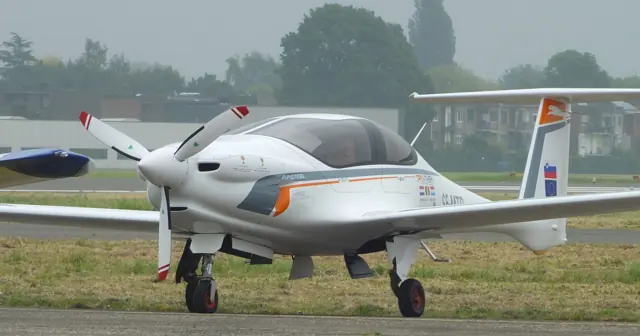
Pipistrel's streamlined four-seat composite-aircraft design.
A wartime fighter developed from the earlier Curtiss P-36.
A British jet trainer with tandem seating and a long military training career.
A tandem two-seat sailplane family used for training and cross-country soaring.
A six-engine flying boat created for long-distance passenger travel over water.
A tandem-seat light aircraft with a streamlined low-wing layout.
A pioneering light helicopter whose bubble cabin and exposed structure became widely recognisable.
A Swedish reconnaissance and dive-bombing aircraft from the early 1940s.
This is AirframeDB’s first release. More features and aircraft research are planned. Leave your email if you’d like occasional updates.