MSFS
Boeing 787-10 Dreamliner ↗
A long-range twin whose programme emphasised composite construction and more electrically powered systems.
2 implementations+ Compare
Explore the aircraft. Find your simulator. Follow the sources.
A long-range twin whose programme emphasised composite construction and more electrically powered systems.
A pioneering light helicopter whose bubble cabin and exposed structure became widely recognisable.
A long-range fighter whose different engine and canopy developments produced several distinct forms.
A large long-haul twin that introduced Boeing's first commercial fly-by-wire airliner flight controls.
An enclosed-cabin development of the Bell 47, shaped for passenger and executive transport.
A military transport developed from the DC-3, used for cargo, troops, parachuting and glider towing.
An enlarged Velocity kit aircraft with a canard and rear-mounted pusher propeller.
A post-war Czech light twin with a rounded cabin and engines carried on a low wing.
A pressurised twin turboprop with a canard, composite airframe and rear-facing propellers.
Cirrus's first type-certified aircraft, a composite piston single.
A personal jet with one engine above the rear fuselage and a distinctive V-tail.
A compact utility helicopter distinguished by its enclosed Fenestron tail rotor.
A long-range strategic bomber with a swept wing and eight jet engines in paired pods.
A rear-engined trijet built to bring jet service to shorter routes and smaller airports.
An all-metal sport and touring aircraft from Bayerische Flugzeugwerke.
A twin-turbine Huey descendant with a four-blade main rotor.
The purpose-built Ryan monoplane used by Charles Lindbergh for his 1927 solo Atlantic crossing.
A corrugated-metal transport best known in its three-engine form.
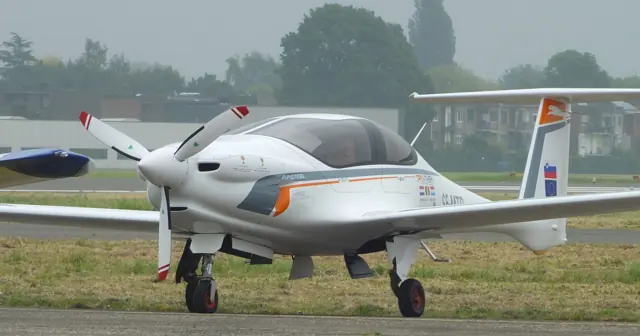
Pipistrel's streamlined four-seat composite-aircraft design.
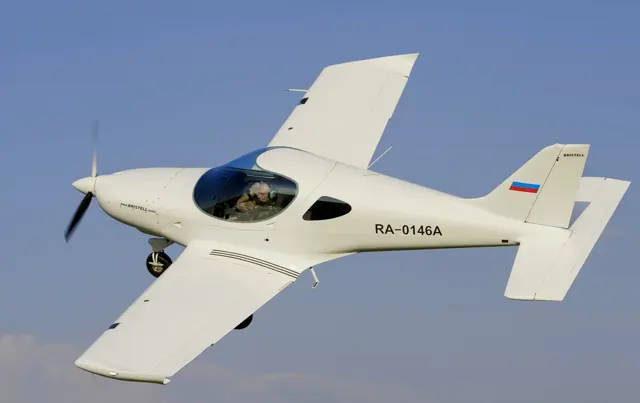
BRM Aero's two-seat B23, represented in MSFS by Airfoillabs.
A pressurised four-engine piston transport from the last major generation before the jet airliner.
A four-seat composite touring and training aircraft developed from Diamond's smaller two-seater.
A box-shaped utility twin whose cabin and rear access are central to its design.
A French two-seat aerobatic trainer with side-by-side seating and a distinctive curved wing outline.
This is AirframeDB’s first release. More features and aircraft research are planned. Leave your email if you’d like occasional updates.