X-Plane
Bombardier Challenger 650 ↗
A wide-cabin business-jet family that developed from Canadair's original Challenger programme.
1 implementations+ Compare
Explore the aircraft. Find your simulator. Follow the sources.
A wide-cabin business-jet family that developed from Canadair's original Challenger programme.
A four-seat high-wing single that spans generations of conventional instruments and glass cockpits.
A tandem-seat light aircraft with a streamlined low-wing layout.
The four-engine wide-body whose raised flight deck created one of aviation's most recognisable profiles.
A small two-seat piston helicopter with a two-bladed main rotor.
A Canadian tandem-seat trainer developed after the Second World War.
Cirrus's first type-certified aircraft, a composite piston single.
A specialised reconnaissance aircraft designed for very high altitude and sustained supersonic flight.
A long-range trijet developed from the DC-10 with a stretched fuselage and revised wing and cockpit.
Piper's two-seat trainer with fixed tricycle landing gear.
A regional jet family with four small engines, a high wing and a large split tail airbrake.
A short-haul jet family that evolved through several generations of engines, wings and flight decks.
A compact Italian light twin with a shoulder wing and metal airframe.
A streamlined light twin helicopter, with the later Bell 230 in the same family.
Piper's PA-31 utility twin, used in commuter, cargo and corporate transport.
Beechcraft's Model 76, designed to introduce pilots to twin-engine flying.
A low-wing piston family that spans simple trainers, touring aircraft and retractable-gear Arrows.
A large long-haul twin that introduced Boeing's first commercial fly-by-wire airliner flight controls.
A DC-10-derived tanker that combined aerial refuelling with passenger and cargo transport.
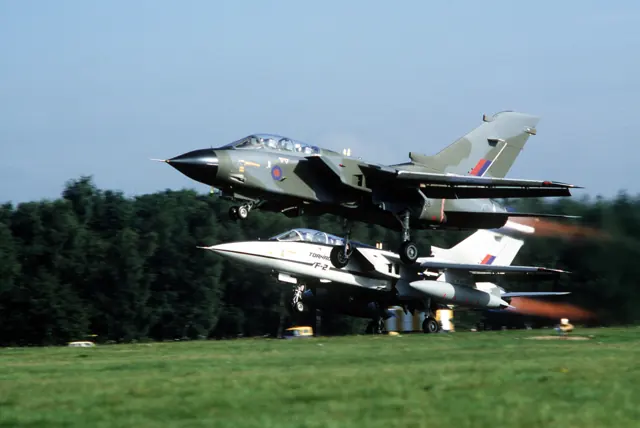
A European variable-sweep combat-aircraft family with distinct strike and interceptor versions.
A tandem-seat homebuilt jet with composite construction and retractable landing gear.
A British utility twin built around short regional and practical transport work.
A stretched development of the DC-9 with rear-mounted engines and a five-abreast cabin.
A push-pull twin with one engine at each end of the central fuselage.
This is AirframeDB’s first release. More features and aircraft research are planned. Leave your email if you’d like occasional updates.