MSFS
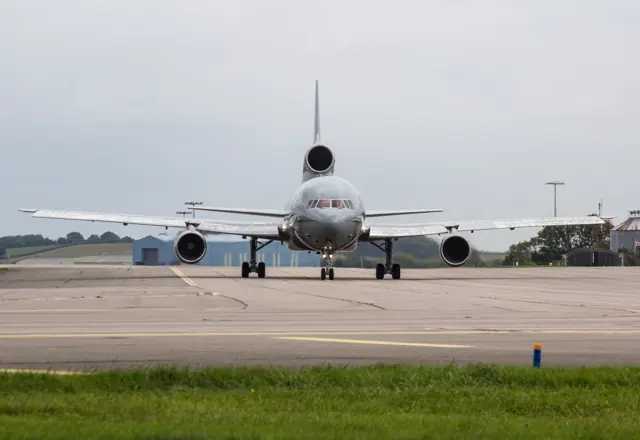
Lockheed L-1011 TriStar ↗
Lockheed's wide-body TriStar, with three RB211 engines and a distinctive tail intake.
1 implementations+ Compare
Explore the aircraft. Find your simulator. Follow the sources.
Lockheed's wide-body TriStar, with three RB211 engines and a distinctive tail intake.
A close-air-support aircraft with a straight wing, twin tail and two widely separated jet engines.
A tandem two-seat sailplane designed for instruction and broader soaring use.
A four-engine Airbus wide-body developed in parallel with the A330.
A post-war Czech light twin with a rounded cabin and engines carried on a low wing.
A swept-wing business jet designed around high subsonic cruise speed.
A regional turboprop family whose short early versions and larger Q400 have different proportions and systems.
A heavy transport helicopter whose two large rotors remove the need for a tail rotor.
A narrow-body twin developed as a new generation of medium-range airliner.
The fixed-gear, six-cylinder touring branch of Piper's PA-28 family.
A four-seat composite touring and training aircraft developed from Diamond's smaller two-seater.
A long-range twin designed around a new wide-body airframe and extensive composite construction.
A twin-engine business jet designed to retain some of the utility flexibility associated with the PC-12.
Ted Smith's piston twin, later produced by Piper as the Aerostar.
A four-abreast regional-jet family spanning the E170, E175, E190 and E195.
A post-war Businessliner with a radial engine, cabin transport ambitions and tailwheel gear.
A compact Italian light twin with a shoulder wing and metal airframe.
A Polish utility aircraft designed for short takeoffs and landings.
A fixed-gear twin turboprop with a long history in regional and remote-area transport.
An enclosed, two-seat autogyro with side-by-side seating and a pusher propeller.
A long-range trijet developed from the DC-10 with a stretched fuselage and revised wing and cockpit.
A modern medium twin-engine helicopter developed as a successor to the Dauphin line.
A four-seat high-wing single that spans generations of conventional instruments and glass cockpits.
A compact aerobatic biplane family with both single-seat and tandem-seat branches.
This is AirframeDB’s first release. More features and aircraft research are planned. Leave your email if you’d like occasional updates.

































