X-Plane
Beechcraft Duchess ↗
Beechcraft's Model 76, designed to introduce pilots to twin-engine flying.
1 implementations+ Compare
Explore the aircraft. Find your simulator. Follow the sources.
Beechcraft's Model 76, designed to introduce pilots to twin-engine flying.
Piper's two-seat trainer with fixed tricycle landing gear.
A twin-turboprop family whose smaller conventional-tail and larger T-tail branches have distinct identities.
A midsize business jet developed by Bombardier’s Learjet division.
A two-seat composite kit aircraft developed from the Lancair 320.
A four-seat composite touring and training aircraft developed from Diamond's smaller two-seater.
A pressurised twin turboprop with a canard, composite airframe and rear-facing propellers.
A long-haul twin whose family spans passenger, freight and specialist transport roles.
The four-engine wide-body whose raised flight deck created one of aviation's most recognisable profiles.
The Stationair utility family, combining a high wing with fixed landing gear.
Mooney's four-seat piston family, developed through many touring-aircraft variants.
A single-engine turboprop workhorse for passenger services, freight and remote-area transport.
A side-by-side two-seat sailplane with a retractable powerplant for self-launching.
The four-engine Flying Fortress, a major American bomber of the Second World War.
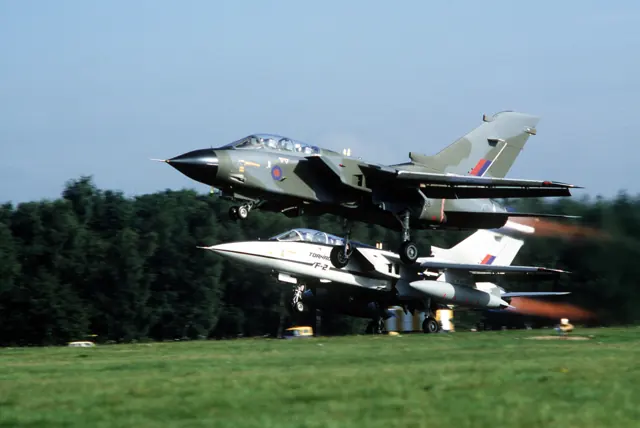
A European variable-sweep combat-aircraft family with distinct strike and interceptor versions.
An amphibious turboprop designed around scooping water and delivering it to fires.
A military transport developed from the DC-3, used for cargo, troops, parachuting and glider towing.
An open, single-seat ultralight with its propeller behind the pilot.
A utility piston twin designed for commuter and specialist transport missions.
A close-air-support aircraft with a straight wing, twin tail and two widely separated jet engines.
A pressurised four-engine piston transport from the last major generation before the jet airliner.
A very large single-engine biplane designed for practical work from modest airfields.
The CJ4 belongs to Cessna's light-jet line, with two rear-mounted engines and a T-tail.
A regional turboprop family whose short early versions and larger Q400 have different proportions and systems.
This is AirframeDB’s first release. More features and aircraft research are planned. Leave your email if you’d like occasional updates.