MSFS
Junkers JU 52 ↗
A corrugated-metal transport best known in its three-engine form.
1 implementations+ Compare
Explore the aircraft. Find your simulator. Follow the sources.
A corrugated-metal transport best known in its three-engine form.
A regional turboprop family whose short early versions and larger Q400 have different proportions and systems.
A small twin-engine amphibian that moved from business transport into military and utility service.
A compact racing aeroplane built around a large radial engine and very short fuselage.
A compact utility helicopter distinguished by its enclosed Fenestron tail rotor.
A regional jet family with four small engines, a high wing and a large split tail airbrake.
Dassault's long-range Falcon 8X, developed from the three-engine 7X.
A two-seat naval fighter with variable-sweep wings and a cockpit built around pilot and radar-intercept officer roles.
A large twin-radial transport that carried heavy loads through wartime and post-war freight service.
A short-field Savage with leading-edge slats and a distinct Got Friends simulator implementation.
The Stationair utility family, combining a high wing with fixed landing gear.
A box-shaped utility twin whose cabin and rear access are central to its design.
A four-seat touring family whose Commander 114 added a larger engine and further refinements.
A side-by-side two-seat sailplane with a retractable powerplant for self-launching.
The CJ4 belongs to Cessna's light-jet line, with two rear-mounted engines and a T-tail.
A lightweight pusher family with an enclosed cabin and a high, braced wing.
A radial-engined utility aircraft closely associated with bush flying and float operations.
A streamlined twin-engine helicopter with a Fenestron tail rotor and retractable landing gear.
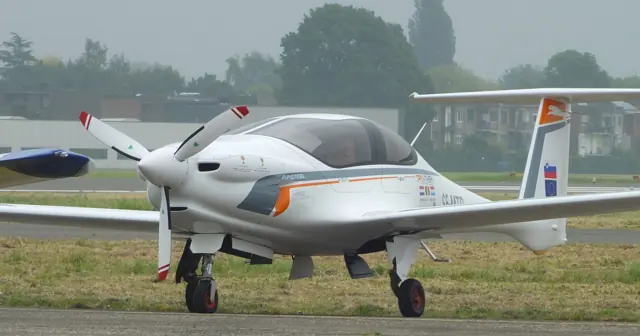
Pipistrel's streamlined four-seat composite-aircraft design.
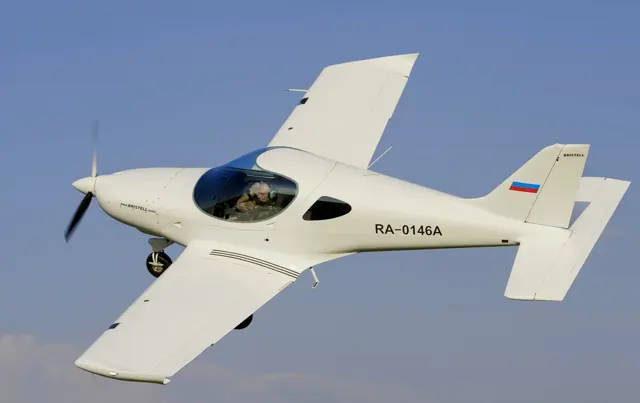
BRM Aero's two-seat B23, represented in MSFS by Airfoillabs.
A 1920s flying boat with two engines arranged in tandem above the wing.
A stretched development of the DC-9 with rear-mounted engines and a five-abreast cabin.
A push-pull twin with one engine at each end of the central fuselage.
A two-seat composite trainer with a low wing and a large canopy.
This is AirframeDB’s first release. More features and aircraft research are planned. Leave your email if you’d like occasional updates.