MSFS
Lockheed L-1011 TriStar ↗
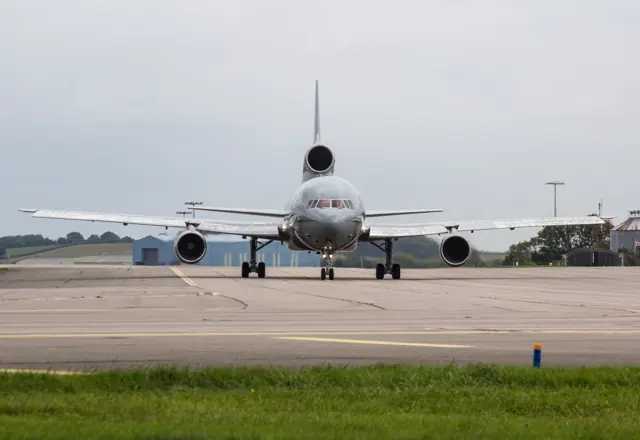
Lockheed's wide-body TriStar, with three RB211 engines and a distinctive tail intake.
1 implementations+ Compare
Explore the aircraft. Find your simulator. Follow the sources.
Lockheed's wide-body TriStar, with three RB211 engines and a distinctive tail intake.
The four-engine Flying Fortress, a major American bomber of the Second World War.
Ted Smith's piston twin, later produced by Piper as the Aerostar.
A military liaison aircraft built around a high wing, tandem cabin and short-field utility work.
The second-generation Harrier, designed around vectored thrust and short-field operation.
A large amphibious flying boat built around maritime rescue and utility transport.
A personal jet with one engine above the rear fuselage and a distinctive V-tail.
A six-engine heavy transport created for exceptionally large external and internal loads.
An open-cockpit biplane trainer that found a second life in civilian flying.
A single-engine utility helicopter known as the Écureuil, Squirrel and AStar.
A fixed-wing observation aircraft with a helicopter-like view from its glazed nose.
The four-engine wide-body whose raised flight deck created one of aviation's most recognisable profiles.
Piper's two-seat trainer with fixed tricycle landing gear.
A large twin-engine helicopter from the Super Puma line, used for offshore and public-service work.
A European variable-sweep combat-aircraft family with distinct strike and interceptor versions.
A modern medium twin-engine helicopter developed as a successor to the Dauphin line.
A 1920s flying boat with two engines arranged in tandem above the wing.
A single-seat competition sailplane offered in Standard and 18-metre configurations.
A four-engine jetliner that helped establish the shape of long-distance jet travel.
A corrugated-metal, three-engine transport from the formative years of airline travel.
The purpose-built Ryan monoplane used by Charles Lindbergh for his 1927 solo Atlantic crossing.
Beechcraft's Model 76, designed to introduce pilots to twin-engine flying.
A push-pull twin with one engine at each end of the central fuselage.
A four-engine airliner that brought pressurised-cabin travel into scheduled service.
This is AirframeDB’s first release. More features and aircraft research are planned. Leave your email if you’d like occasional updates.