MSFS
Mitsubishi MU-2 ↗
A compact Japanese twin turboprop with a high wing and pressurised cabin.
1 implementations+ Compare
Explore the aircraft. Find your simulator. Follow the sources.
A compact Japanese twin turboprop with a high wing and pressurised cabin.
A two-seat composite trainer with a low wing and a large canopy.
The purpose-built Ryan monoplane used by Charles Lindbergh for his 1927 solo Atlantic crossing.
A corrugated-metal, three-engine transport from the formative years of airline travel.
A single-engine turboprop workhorse for passenger services, freight and remote-area transport.
A cabin-class piston twin designed for commuter, cargo and utility work.
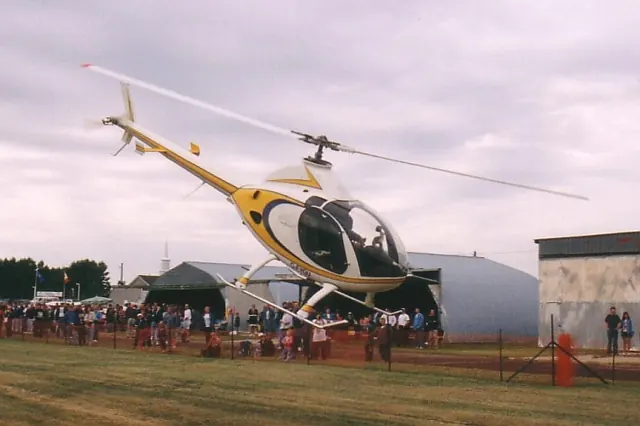
RotorWay's two-seat kit-helicopter family, with piston and turbine simulator interpretations.
The H130 utility helicopter, descended from the AS350 and fitted with a Fenestron.
A post-war Businessliner with a radial engine, cabin transport ambitions and tailwheel gear.
The second-generation Harrier, designed around vectored thrust and short-field operation.
A compact aerobatic biplane family with both single-seat and tandem-seat branches.
A modern medium twin-engine helicopter developed as a successor to the Dauphin line.
A DC-10-derived tanker that combined aerial refuelling with passenger and cargo transport.
A single-seat aerobatic monoplane that also became a familiar air-racing aircraft.
An unpowered military cargo glider designed to deliver troops and equipment behind a tow aircraft.
A light turbine helicopter combining an Alouette II airframe with more powerful Alouette III components.
A British utility twin built around short regional and practical transport work.
A low-wing piston twin that carries the Beechcraft touring-aircraft lineage into two-engine flying.
A specialised reconnaissance aircraft designed for very high altitude and sustained supersonic flight.
A four-engine airliner whose history also includes long-range maritime military service.
A two-seat composite kit aircraft developed from the Lancair 320.
A 1920s flying boat with two engines arranged in tandem above the wing.
A stretched development of the DC-9 with rear-mounted engines and a five-abreast cabin.
A twin-engine business jet designed to retain some of the utility flexibility associated with the PC-12.
This is AirframeDB’s first release. More features and aircraft research are planned. Leave your email if you’d like occasional updates.