
Start here
A few places to begin, from the aircraft’s story to the people who fly it.
Meet the aircraft
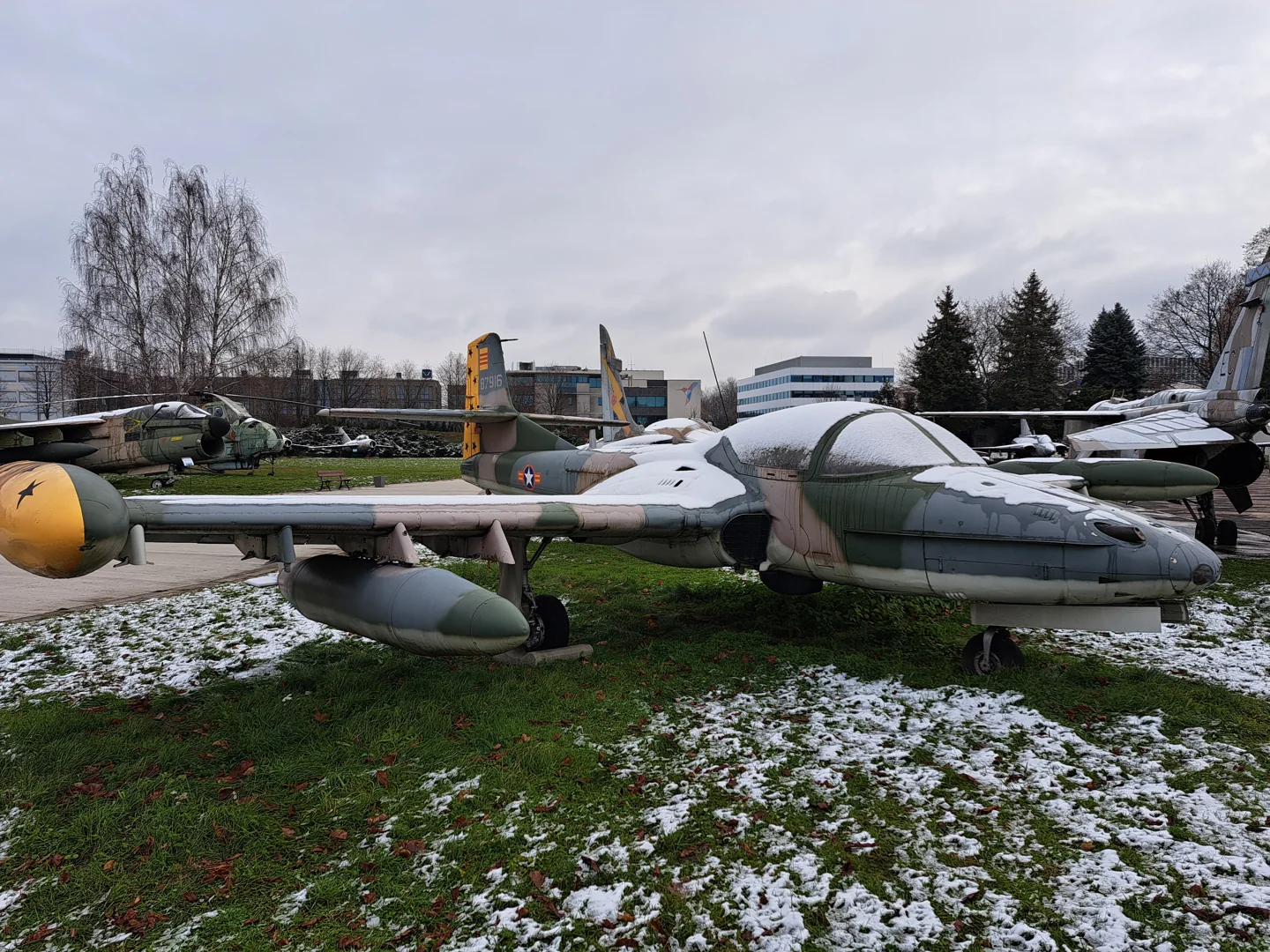
The Cessna A-37 Dragonfly is a twin-jet light attack aircraft used during the Vietnam War.
Cessna A-37 Dragonfly
store.x-plane.org · Read more ↗Meet Cessna A-37 Dragonfly
The Cessna A-37 Dragonfly is a twin-jet light attack aircraft used during the Vietnam War.
Cessna A-37 Dragonfly
Cessna → · Explore the family →
Cessna A-37 Dragonfly
store.x-plane.org · Cessna A-37 Dragonfly — aircraft background ↗Aircraft type designators
No type designator selected for this reference.
History & design
From trainer to attack aircraft
The Dragonfly evaluation converted the T-37B trainer into an attack and reconnaissance aircraft. The first flight came in September 1963; 39 trainers were rebuilt as A-37As.
Museum of Aviation · A-37A Dragonfly ↗Aircraft-specific source account
An aircraft that returned from Vietnam
The museum’s A-37A arrived at Bien Hoa in August 1967 and returned to the United States in 1970. It later became a ground instructional airframe before museum recovery in 1991.
Museum of Aviation · A-37A Dragonfly ↗Aircraft-specific source account
A trainer becomes a light attack aircraft
The Museum of Aviation contrasts the 39 rebuilt A-37As with the 577 follow-on A-37Bs, which added aerial refuelling capability. The family served with the South Vietnamese Air Force as well as American units, then continued in Air National Guard and reserve service into the 1980s. Warner Robins supported its communications, fire-control and gun systems. That support history places the museum’s surviving A-model within a wider operational programme.
Museum of Aviation · A-37A Dragonfly ↗Museum of Aviation A-37A collection account
Systems & details
The conversion changed more than the mission
J85 engines replaced the trainer’s J69s, doubling thrust. Underwing pylons and a nose gun added attack equipment; the later A-37B introduced aerial refuelling. These distinctions matter when choosing which variant a simulator profile represents.
In your simulator
Systems, equipment and documentation for each developer’s aircraft.
X-Plane 12Cessna A-37 Dragonfly V2
JCS Aircraft · Released
Cessna A-37 Dragonfly V2
JCS Aircraft · Released
Manuals & resources
Find your next read
Choose a topic for a short introduction and a link to the original source. Simulator references identify the developer and edition they cover.
Manufacturer, developer or authorized-product aircraft context
Cessna A-37 Dragonfly — aircraft backgroundCessna A-37 Dragonfly
The A-37 Dragonfly is a twin-jet light attack aircraft used during the Vietnam War.
Aircraft-context passage, preserved text line 50; reviewed 2026-09-29
store.x-plane.org · Read the source ↗Developer documentation
Cessna A-37 Dragonfly V2 — product listingCessna A-37 Dragonfly V2 · X-Plane 12
Individual product listing and edition passage reviewed 2026-09-29
store.x-plane.org · Read the source ↗Read the original documentation from the people who created it. Manuals open on their publisher’s website.
Manufacturer, developer or authorized-product aircraft context
Cessna A-37 Dragonfly — aircraft backgroundstore.x-plane.org · Aircraft-context passage, preserved text line 50; reviewed 2026-09-29Aircraft reference
A-37A DragonflyMuseum of Aviation · Museum A-37A exhibit, serial 67-14525; not an A-37B specificationBuilt-in force-feedback profiles
Read the documentary basis, editable starting settings and remaining questions for the aircraft you fly. Each explanation refers to the exact profile revision shown.
Catalogue programme-20261022-v1 · 1 profile choice
JCS Aircraft Cessna A-37 Dragonfly V2
JCS Aircraft · Free and Pro · Revision 2 · Inherited starting point
X-Plane 12
The Cessna A-37 Dragonfly is a twin-jet light attack aircraft used during the Vietnam War.
Discuss this aircraft (0)
Questions, observations and useful sources from the community.
No published discussions yet. Bring a question or share a useful source.
Open aircraft discussions →Content expanded · What’s new
Something missing or a source that needs attention?
Suggest a correction ↗