MSFS
Tecnam P2010 ↗
Tecnam's four-seat high-wing single, built with metal and carbon-fibre components.
1 implementations+ Compare
Explore the aircraft. Find your simulator. Follow the sources.
Tecnam's four-seat high-wing single, built with metal and carbon-fibre components.
A Canadian tandem-seat trainer developed after the Second World War.
Tecnam's two-seat, low-wing Sierra, introduced in the early 2000s.
A two-seat composite trainer with a low wing and a large canopy.
Beechcraft's Model 76, designed to introduce pilots to twin-engine flying.
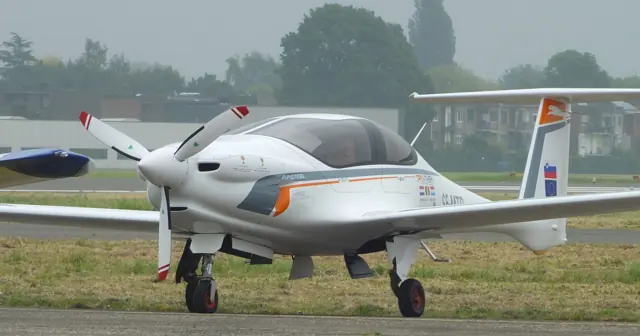
Pipistrel's streamlined four-seat composite-aircraft design.
The Stationair utility family, combining a high wing with fixed landing gear.
Ted Smith's piston twin, later produced by Piper as the Aerostar.
A composite touring single with a whole-aircraft parachute and several generations of avionics.
A compact Italian light twin with a shoulder wing and metal airframe.
A modern utility single whose family includes both tailwheel and nosewheel configurations.
A Polish utility aircraft designed for short takeoffs and landings.
Diamond's four-seat light twin, developed with diesel-powered versions.
Piper's two-seat trainer with fixed tricycle landing gear.
A tandem-seat homebuilt jet with composite construction and retractable landing gear.
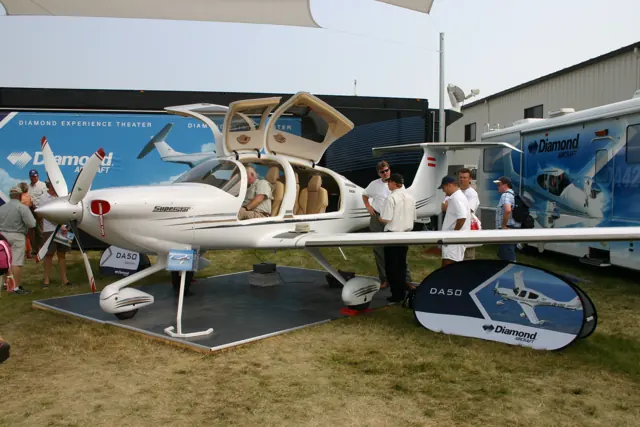
A five-seat composite single whose development led to the diesel DA50 RG.
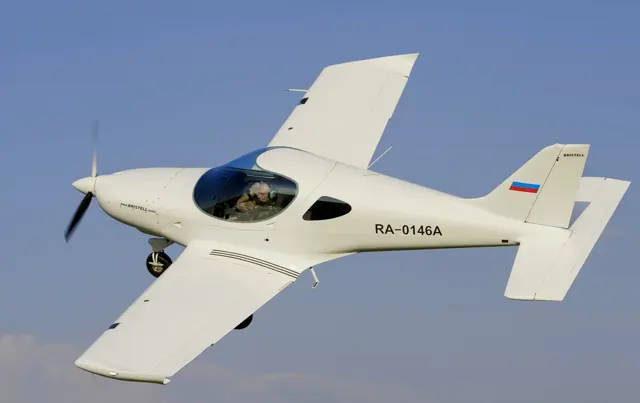
BRM Aero's two-seat B23, represented in MSFS by Airfoillabs.
A low-wing piston family that spans simple trainers, touring aircraft and retractable-gear Arrows.
Cirrus's first type-certified aircraft, a composite piston single.
A fixed-wing observation aircraft with a helicopter-like view from its glazed nose.
The fixed-gear, six-cylinder touring branch of Piper's PA-28 family.
A two-seat training single with a high wing and fixed tricycle landing gear.
A push-pull twin with one engine at each end of the central fuselage.
This is AirframeDB’s first release. More features and aircraft research are planned. Leave your email if you’d like occasional updates.