MSFS X-Plane
Columbia 400 / Cessna Corvalis ↗
A composite, low-wing touring single with fixed gear and a turbocharged engine.
2 implementations+ Compare
Explore the aircraft. Find your simulator. Follow the sources.
A composite, low-wing touring single with fixed gear and a turbocharged engine.
A pressurised touring twin whose piston and turbine-conversion versions make a particularly interesting comparison.
A tandem two-seat sailplane designed for instruction and broader soaring use.
An all-metal sport and touring aircraft from Bayerische Flugzeugwerke.
An open, single-seat ultralight with its propeller behind the pilot.
A radial-engined utility aircraft closely associated with bush flying and float operations.
An open-cockpit biplane trainer that found a second life in civilian flying.
A rear-engined trijet built to bring jet service to shorter routes and smaller airports.
A long-range twin whose programme emphasised composite construction and more electrically powered systems.
A large amphibious flying boat built around maritime rescue and utility transport.
Epic's experimental light-jet project, represented in simulation by Aerobask.
A long-range trijet developed from the DC-10 with a stretched fuselage and revised wing and cockpit.
A utility piston twin designed for commuter and specialist transport missions.
A side-by-side two-seat sailplane with a retractable powerplant for self-launching.
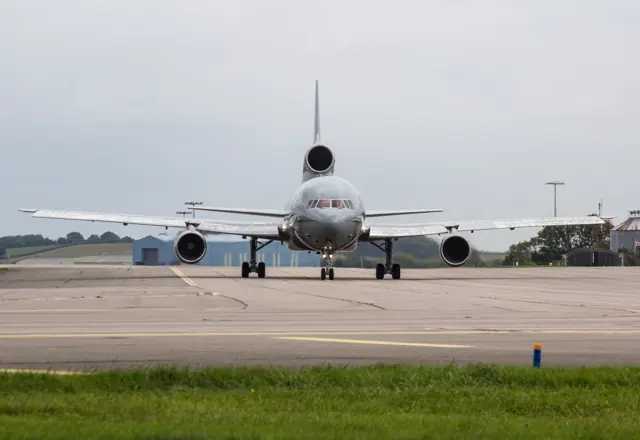
Lockheed's wide-body TriStar, with three RB211 engines and a distinctive tail intake.
A high-wing utility aircraft known for short-field work and a broad choice of working configurations.
Diamond's four-seat light twin, developed with diesel-powered versions.
A compact aerobatic biplane family with both single-seat and tandem-seat branches.
A compact Czech touring aircraft with side-by-side seats and a streamlined low-wing airframe.
A wide-cabin business-jet family that developed from Canadair's original Challenger programme.
An advanced trainer known around the world as the Texan, Harvard and SNJ.
A carbon-fibre aerobatic monoplane family with a dedicated air-racing branch.
The second-generation Harrier, designed around vectored thrust and short-field operation.
A composite amphibian that carries Dornier's centreline engine arrangement into the turboprop era.
This is AirframeDB’s first release. More features and aircraft research are planned. Leave your email if you’d like occasional updates.