MSFS
Dornier Seastar ↗
A composite amphibian that carries Dornier's centreline engine arrangement into the turboprop era.
1 implementations+ Compare
Explore the aircraft. Find your simulator. Follow the sources.
A composite amphibian that carries Dornier's centreline engine arrangement into the turboprop era.
The Stationair utility family, combining a high wing with fixed landing gear.
A short-field Savage with leading-edge slats and a distinct Got Friends simulator implementation.
The four-engine wide-body whose raised flight deck created one of aviation's most recognisable profiles.
A large twin-radial transport that carried heavy loads through wartime and post-war freight service.
A twin-engine business jet designed to retain some of the utility flexibility associated with the PC-12.
A twin-radial military transport with a rear ramp and short-field design priorities.
A four-engine airliner that brought pressurised-cabin travel into scheduled service.
A twin-hull flying boat with its engines mounted together above the wing.
A twin-turbine Huey descendant with a four-blade main rotor.
A 1920s transport family that developed from a single-engine airliner into a trimotor.
A rear-engined trijet built to bring jet service to shorter routes and smaller airports.
A six-seat composite single turboprop with a pressurised cabin and retractable gear.
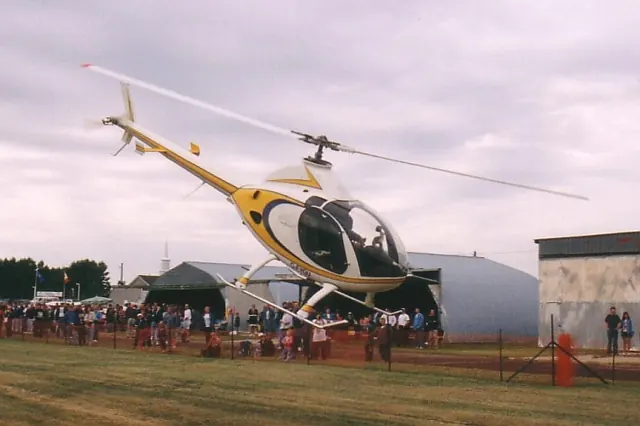
RotorWay's two-seat kit-helicopter family, with piston and turbine simulator interpretations.
An open-cockpit biplane trainer that found a second life in civilian flying.
A large twin-engine helicopter from the Super Puma line, used for offshore and public-service work.
A compact twin-engine helicopter widely used for medical, police and training work.
Regional flying built around a high wing, two turboprops and short sectors.
The second-generation Harrier, designed around vectored thrust and short-field operation.
A twin-aisle Boeing designed alongside the 757's generation of two-pilot flight decks.
A carbon-fibre aerobatic monoplane family with a dedicated air-racing branch.
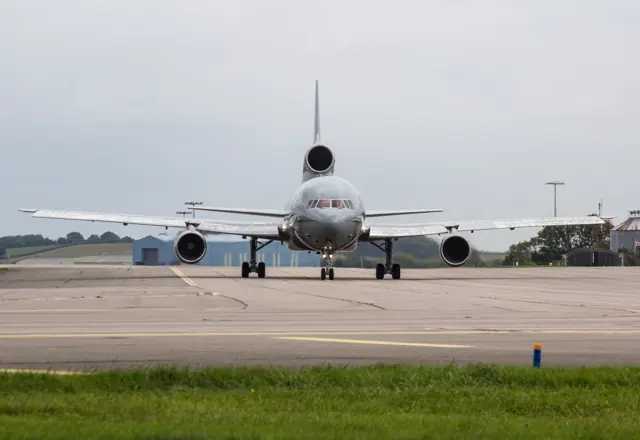
Lockheed's wide-body TriStar, with three RB211 engines and a distinctive tail intake.
A close-air-support aircraft with a straight wing, twin tail and two widely separated jet engines.
A heavy transport helicopter whose two large rotors remove the need for a tail rotor.
This is AirframeDB’s first release. More features and aircraft research are planned. Leave your email if you’d like occasional updates.