MSFS
Flight Design CTSL ↗
A two-seat composite light-aircraft family with a high wing and a compact enclosed cabin.
2 implementations+ Compare
Explore the aircraft. Find your simulator. Follow the sources.
A two-seat composite light-aircraft family with a high wing and a compact enclosed cabin.
A pioneering light helicopter whose bubble cabin and exposed structure became widely recognisable.
A long-range twin designed around a new wide-body airframe and extensive composite construction.
Diamond's four-seat light twin, developed with diesel-powered versions.
A Swedish reconnaissance and dive-bombing aircraft from the early 1940s.
A utility piston twin designed for commuter and specialist transport missions.
A personal jet with one engine above the rear fuselage and a distinctive V-tail.
A two-seat composite trainer with a low wing and a large canopy.
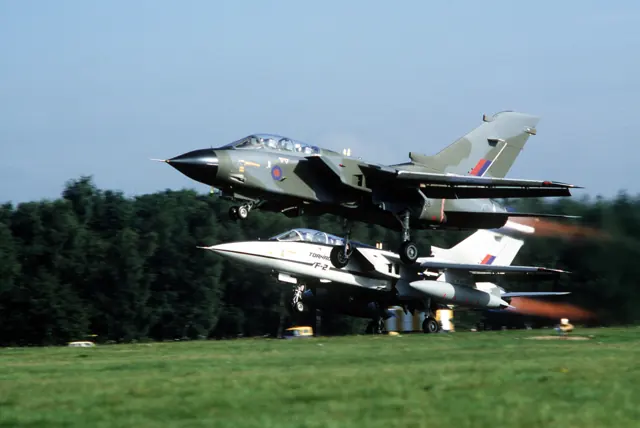
A European variable-sweep combat-aircraft family with distinct strike and interceptor versions.
A small observation-helicopter family with a rounded cabin and compact rotor system.
A First World War trainer that became a familiar sight in the barnstorming era.
A high-wing utility turboprop designed for short-field passenger and cargo work.
A streamlined twin-engine helicopter with a Fenestron tail rotor and retractable landing gear.
A heavy-lift helicopter built around an open frame and an external working load.
A four-engine Airbus wide-body developed in parallel with the A330.
A tandem two-seat sailplane family used for training and cross-country soaring.
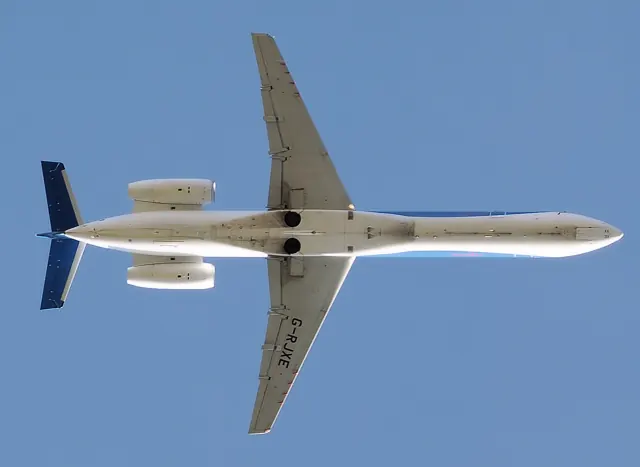
Embraer's regional-jet family, from the ERJ 135 to the longer ERJ 145.
A military liaison aircraft built around a high wing, tandem cabin and short-field utility work.
A compact rear-engined jet designed for short-haul regional airline work.
A light business jet with a swept wing, rear-mounted engines and an integrated flight deck.
A four-seat high-wing single that spans generations of conventional instruments and glass cockpits.
The four-engine Flying Fortress, a major American bomber of the Second World War.
A heavy transport helicopter whose two large rotors remove the need for a tail rotor.
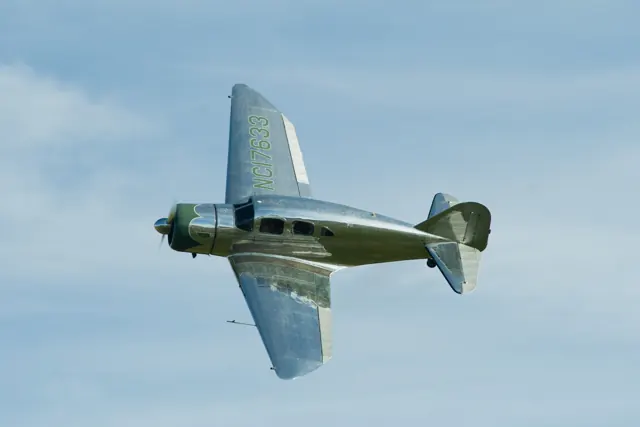
A late-1930s cabin aircraft with metal construction and retractable landing gear.
This is AirframeDB’s first release. More features and aircraft research are planned. Leave your email if you’d like occasional updates.