X-Plane
Beechcraft Duchess ↗
Beechcraft's Model 76, designed to introduce pilots to twin-engine flying.
1 implementations+ Compare
Explore the aircraft. Find your simulator. Follow the sources.
Beechcraft's Model 76, designed to introduce pilots to twin-engine flying.
A long-range twin designed around a new wide-body airframe and extensive composite construction.
A compact twin-engine helicopter widely used for medical, police and training work.
A Swedish reconnaissance and dive-bombing aircraft from the early 1940s.
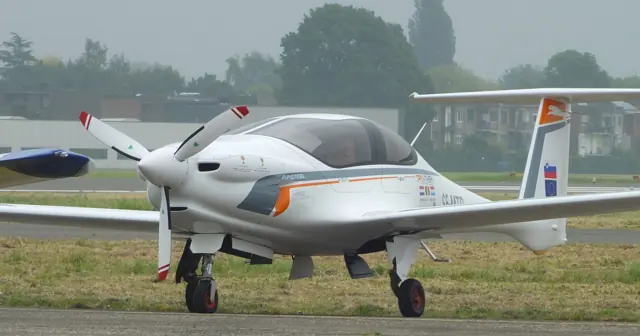
Pipistrel's streamlined four-seat composite-aircraft design.
A six-engine flying boat created for long-distance passenger travel over water.
Diamond's four-seat light twin, developed with diesel-powered versions.
A two-seat training single with a high wing and fixed tricycle landing gear.
A twin-turbine Huey descendant with a four-blade main rotor.
A modern utility single whose family includes both tailwheel and nosewheel configurations.
A single-seat competition sailplane offered in Standard and 18-metre configurations.
A compact utility helicopter distinguished by its enclosed Fenestron tail rotor.
A single-seat aerobatic monoplane that also became a familiar air-racing aircraft.
A wartime fighter developed from the earlier Curtiss P-36.
A carrier-capable multirole fighter, larger than the earlier Hornet from which it developed.
A small three-engine demonstrator created to explore technologies for a future supersonic airliner.
A midsize business jet developed by Bombardier’s Learjet division.
A twin-engine business jet designed to retain some of the utility flexibility associated with the PC-12.
A compact Japanese twin turboprop with a high wing and pressurised cabin.
A modern two-seat piston helicopter designed around the training role.
A twin-turboprop family whose smaller conventional-tail and larger T-tail branches have distinct identities.
The Stationair utility family, combining a high wing with fixed landing gear.
The fixed-gear, six-cylinder touring branch of Piper's PA-28 family.
A short-haul jet family that evolved through several generations of engines, wings and flight decks.
This is AirframeDB’s first release. More features and aircraft research are planned. Leave your email if you’d like occasional updates.