X-Plane
SOCATA TB10 Tobago / TB20 Trinidad ↗
SOCATA's touring-aircraft family, including the Tobago and Trinidad.
1 implementations+ Compare
Explore the aircraft. Find your simulator. Follow the sources.
SOCATA's touring-aircraft family, including the Tobago and Trinidad.
A four-seat kit-built touring aircraft that expanded the RV family beyond two-seat designs.
The fixed-gear, six-cylinder touring branch of Piper's PA-28 family.
A two-seat composite light-aircraft family with a high wing and a compact enclosed cabin.
A medium commercial helicopter designed for passenger and utility transport.
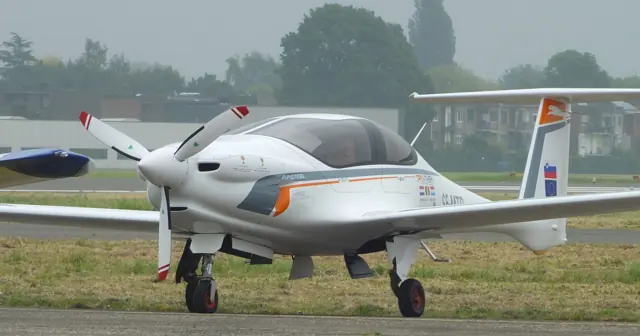
Pipistrel's streamlined four-seat composite-aircraft design.
A four-engine airliner whose history also includes long-range maritime military service.
A two-seat light amphibian with a compact boat hull and a pusher propeller.
The purpose-built Ryan monoplane used by Charles Lindbergh for his 1927 solo Atlantic crossing.
An enlarged Velocity kit aircraft with a canard and rear-mounted pusher propeller.
A six-seat composite single turboprop with a pressurised cabin and retractable gear.
A single-seat aerobatic monoplane that also became a familiar air-racing aircraft.
Ted Smith's piston twin, later produced by Piper as the Aerostar.
A shorter wide-body Airbus from the transition to two-pilot, electronic-instrument cockpits.
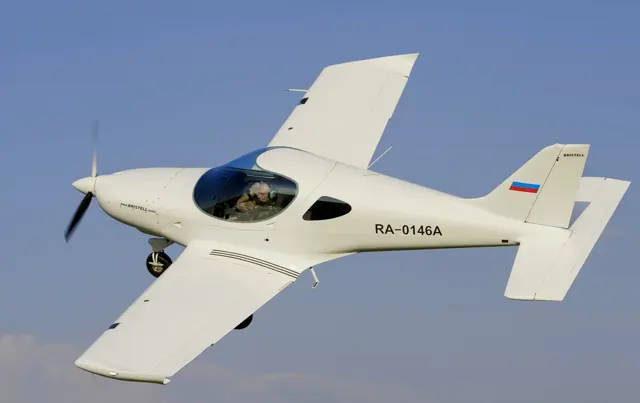
BRM Aero's two-seat B23, represented in MSFS by Airfoillabs.
A modern utility single whose family includes both tailwheel and nosewheel configurations.
A post-war Czech light twin with a rounded cabin and engines carried on a low wing.
A compact racing aeroplane built around a large radial engine and very short fuselage.
A large amphibious flying boat built around maritime rescue and utility transport.
A huge wooden flying-boat prototype that made one brief flight in 1947.
A very light twin jet developed from the Eclipse 500.
A tailwheel utility single built around a high wing and a substantial working cabin.
A four-seat high-wing single that spans generations of conventional instruments and glass cockpits.
A compact utility helicopter distinguished by its enclosed Fenestron tail rotor.
This is AirframeDB’s first release. More features and aircraft research are planned. Leave your email if you’d like occasional updates.