X-Plane
Embraer ERJ family ↗
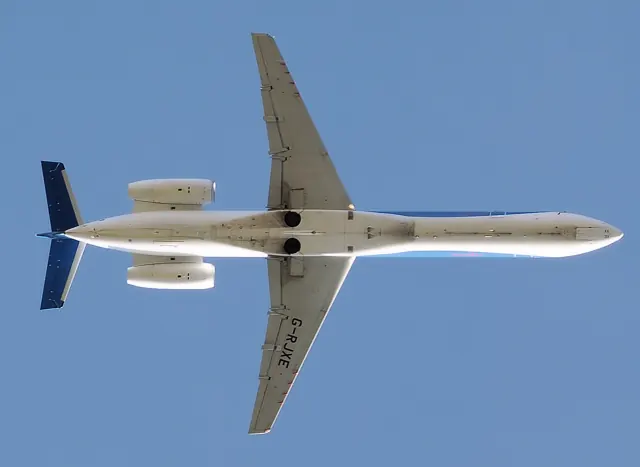
Embraer's regional-jet family, from the ERJ 135 to the longer ERJ 145.
1 implementations+ Compare
Explore the aircraft. Find your simulator. Follow the sources.
Embraer's regional-jet family, from the ERJ 135 to the longer ERJ 145.
A three-engine airliner that became a mainstay of Soviet and Russian passenger transport.
The four-engine wide-body whose raised flight deck created one of aviation's most recognisable profiles.
Tecnam's two-seat, low-wing Sierra, introduced in the early 2000s.
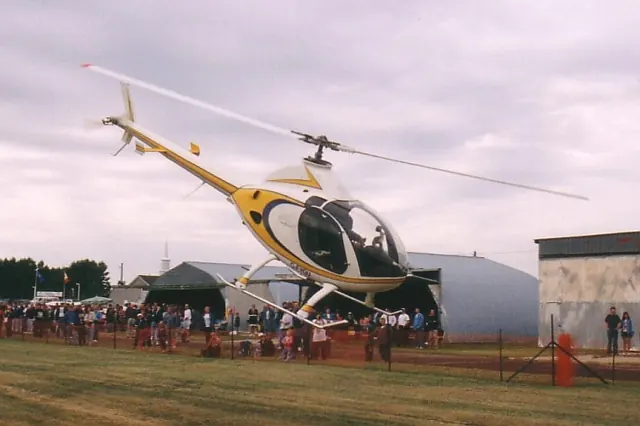
A small two-seat piston helicopter with a two-bladed main rotor.
A tandem-seat jet trainer that also found a second life in civilian display and racing.
A compact Italian light twin with a shoulder wing and metal airframe.
A long-range twin designed around a new wide-body airframe and extensive composite construction.
A wide-cabin business-jet family that developed from Canadair's original Challenger programme.
A tandem-seat homebuilt jet with composite construction and retractable landing gear.
A short-haul jet family that evolved through several generations of engines, wings and flight decks.
RotorWay's two-seat kit-helicopter family, with piston and turbine simulator interpretations.
A single-seat competition sailplane offered in Standard and 18-metre configurations.
A small twin-engine amphibian that moved from business transport into military and utility service.
A large amphibious flying boat built around maritime rescue and utility transport.
A compact racing aeroplane built around a large radial engine and very short fuselage.
A tandem two-seat sailplane family used for training and cross-country soaring.
A compact rear-engined jet designed for short-haul regional airline work.
A shorter wide-body Airbus from the transition to two-pilot, electronic-instrument cockpits.
A close-air-support aircraft with a straight wing, twin tail and two widely separated jet engines.
A lightweight short-field aircraft with a specialised wing and tall, shock-absorbing landing gear.
A personal jet with one engine above the rear fuselage and a distinctive V-tail.
The purpose-built Ryan monoplane used by Charles Lindbergh for his 1927 solo Atlantic crossing.
A light tandem-seat taildragger built around the familiar braced high-wing layout.
This is AirframeDB’s first release. More features and aircraft research are planned. Leave your email if you’d like occasional updates.