MSFS
Ford 4AT Trimotor ↗
A corrugated-metal, three-engine transport from the formative years of airline travel.
1 implementations+ Compare
Explore the aircraft. Find your simulator. Follow the sources.
A corrugated-metal, three-engine transport from the formative years of airline travel.
A 1920s transport family that developed from a single-engine airliner into a trimotor.
A large long-haul twin that introduced Boeing's first commercial fly-by-wire airliner flight controls.
Tecnam's four-seat high-wing single, built with metal and carbon-fibre components.
A small two-seat piston helicopter with a two-bladed main rotor.
A tandem-seat utility aircraft whose light structure and high wing suit bush, towing and recreational work.
A two-seat training single with a high wing and fixed tricycle landing gear.
A small twin-engine amphibian that moved from business transport into military and utility service.
A four-engine military turboprop designed to combine tactical access with long-distance transport.
A single-seat aerobatic monoplane that also became a familiar air-racing aircraft.
A tandem-seat light aircraft with a streamlined low-wing layout.
A midsize business jet developed by Bombardier’s Learjet division.
The four-engine wide-body whose raised flight deck created one of aviation's most recognisable profiles.
A compact racing aeroplane built around a large radial engine and very short fuselage.
Regional flying built around a high wing, two turboprops and short sectors.
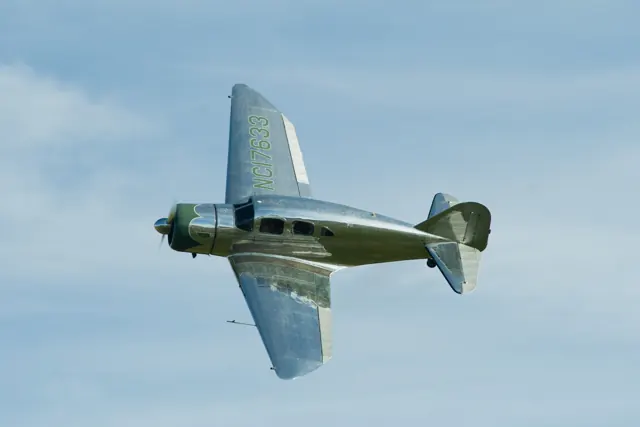
A late-1930s cabin aircraft with metal construction and retractable landing gear.
A composite touring single with a whole-aircraft parachute and several generations of avionics.
A self-launching sailplane family with its engine inside the fuselage and a folding nose propeller.
A four-engine tactical transport built around a rear loading ramp and access to austere airfields.
A twin-engine business jet designed to retain some of the utility flexibility associated with the PC-12.
A long-range strategic bomber with a swept wing and eight jet engines in paired pods.
A side-by-side two-seat sailplane with a retractable powerplant for self-launching.
A twin-turboprop regional airliner developed through Swedish and American industrial cooperation.
The CJ4 belongs to Cessna's light-jet line, with two rear-mounted engines and a T-tail.
This is AirframeDB’s first release. More features and aircraft research are planned. Leave your email if you’d like occasional updates.