MSFS
Boeing 787-10 Dreamliner ↗
A long-range twin whose programme emphasised composite construction and more electrically powered systems.
2 implementations+ Compare
Explore the aircraft. Find your simulator. Follow the sources.
A long-range twin whose programme emphasised composite construction and more electrically powered systems.
A long-range fighter whose different engine and canopy developments produced several distinct forms.
A super-midsize business jet with a swept wing, rear-mounted engines and an integrated glass cockpit.
Cessna's retractable-gear Centurion, a high-wing touring aircraft.
A shorter wide-body Airbus from the transition to two-pilot, electronic-instrument cockpits.
A small observation-helicopter family with a rounded cabin and compact rotor system.
A military transport developed from the DC-3, used for cargo, troops, parachuting and glider towing.
A carbon-fibre aerobatic monoplane family with a dedicated air-racing branch.
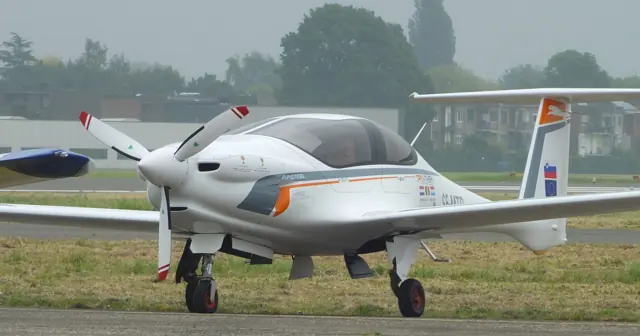
Pipistrel's streamlined four-seat composite-aircraft design.
A six-seat composite single turboprop with a pressurised cabin and retractable gear.
The Wilga is the real-aircraft starting point for Mike Patey's DRACO and the simulator's DRACO X.
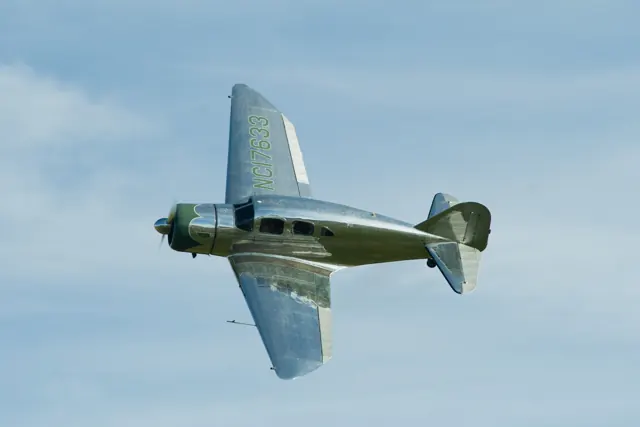
A late-1930s cabin aircraft with metal construction and retractable landing gear.
A modern medium twin-engine helicopter developed as a successor to the Dauphin line.
A four-engine jetliner that helped establish the shape of long-distance jet travel.
Dassault's long-range Falcon 8X, developed from the three-engine 7X.
A personal jet with one engine above the rear fuselage and a distinctive V-tail.
A composite amphibian that carries Dornier's centreline engine arrangement into the turboprop era.
An advanced trainer known around the world as the Texan, Harvard and SNJ.
A twin-radial military transport with a rear ramp and short-field design priorities.
A four-engine military turboprop designed to combine tactical access with long-distance transport.
A compact utility helicopter distinguished by its enclosed Fenestron tail rotor.
The CJ4 belongs to Cessna's light-jet line, with two rear-mounted engines and a T-tail.
A very large single-engine biplane designed for practical work from modest airfields.
A First World War trainer that became a familiar sight in the barnstorming era.
This is AirframeDB’s first release. More features and aircraft research are planned. Leave your email if you’d like occasional updates.