MSFS
Mitsubishi MU-2 ↗
A compact Japanese twin turboprop with a high wing and pressurised cabin.
1 implementations+ Compare
Explore the aircraft. Find your simulator. Follow the sources.
A compact Japanese twin turboprop with a high wing and pressurised cabin.
A fixed-wing observation aircraft with a helicopter-like view from its glazed nose.
A four-abreast regional-jet family spanning the E170, E175, E190 and E195.
A streamlined twin-engine helicopter with a Fenestron tail rotor and retractable landing gear.
A compact Italian light twin with a shoulder wing and metal airframe.
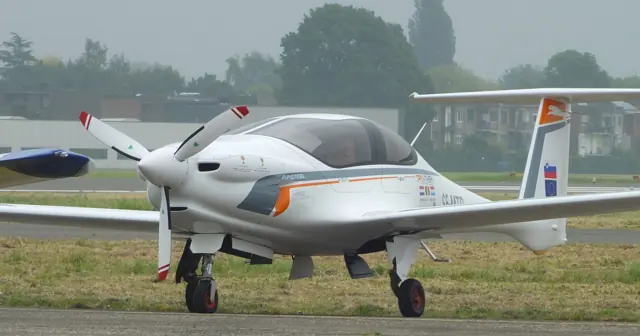
A two-seat composite trainer with a low wing and a large canopy.
Beechcraft's Model 76, designed to introduce pilots to twin-engine flying.
An advanced trainer known around the world as the Texan, Harvard and SNJ.
A two-seat, twin-engine fighter that served naval and land-based air forces in many roles.
A two-seat training single with a high wing and fixed tricycle landing gear.
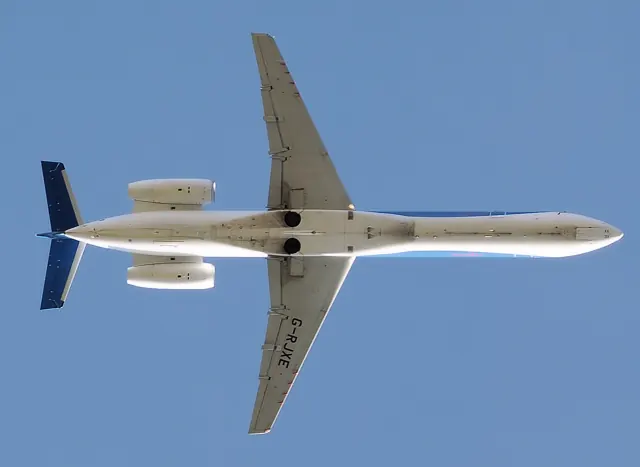
Embraer's regional-jet family, from the ERJ 135 to the longer ERJ 145.
A tandem-seat utility aircraft whose light structure and high wing suit bush, towing and recreational work.
A short-haul jet family that evolved through several generations of engines, wings and flight decks.
A single-seat competition sailplane offered in Standard and 18-metre configurations.
The Wilga is the real-aircraft starting point for Mike Patey's DRACO and the simulator's DRACO X.
A compact twin-engine transport helicopter with retractable gear and a long development history.
A four-seat, pressurised kit aircraft with a composite airframe and retractable landing gear.
A twin-turboprop family whose smaller conventional-tail and larger T-tail branches have distinct identities.
A twin-engine utility helicopter with roots in the BK 117 and EC145 families.
A two-seat light amphibian with a compact boat hull and a pusher propeller.
A corrugated-metal, three-engine transport from the formative years of airline travel.
The fixed-gear, six-cylinder touring branch of Piper's PA-28 family.
A close-air-support aircraft with a straight wing, twin tail and two widely separated jet engines.
Pipistrel's streamlined four-seat composite-aircraft design.
This is AirframeDB’s first release. More features and aircraft research are planned. Leave your email if you’d like occasional updates.