MSFS
Boom XB-1 ↗
A small three-engine demonstrator created to explore technologies for a future supersonic airliner.
1 implementations+ Compare
Explore the aircraft. Find your simulator. Follow the sources.
A small three-engine demonstrator created to explore technologies for a future supersonic airliner.
A five-seat turbine helicopter developed from Robinson's smaller piston-helicopter line.
A twin-turboprop family whose smaller conventional-tail and larger T-tail branches have distinct identities.
A 1920s flying boat with two engines arranged in tandem above the wing.
A Polish utility aircraft designed for short takeoffs and landings.
A twin-turboprop utility aircraft developed by Reims Aviation with Cessna.
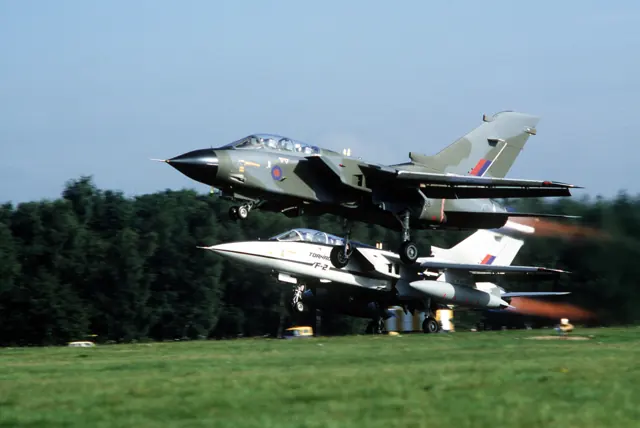
A European variable-sweep combat-aircraft family with distinct strike and interceptor versions.
A small twin-engine amphibian that moved from business transport into military and utility service.
A wide-cabin business-jet family that developed from Canadair's original Challenger programme.
A streamlined twin-engine helicopter with a Fenestron tail rotor and retractable landing gear.
Beechcraft's Model 76, designed to introduce pilots to twin-engine flying.
A compact two-seat light aircraft with a high wing and a wide range of development variants.
A pressurised single turboprop with a large cargo door and a broad range of working roles.
The four-engine Flying Fortress, a major American bomber of the Second World War.
A close-air-support aircraft with a straight wing, twin tail and two widely separated jet engines.
A twin-aisle Boeing designed alongside the 757's generation of two-pilot flight decks.
A light business jet with a swept wing, rear-mounted engines and an integrated flight deck.
The CJ4 belongs to Cessna's light-jet line, with two rear-mounted engines and a T-tail.
A single-engine turboprop workhorse for passenger services, freight and remote-area transport.
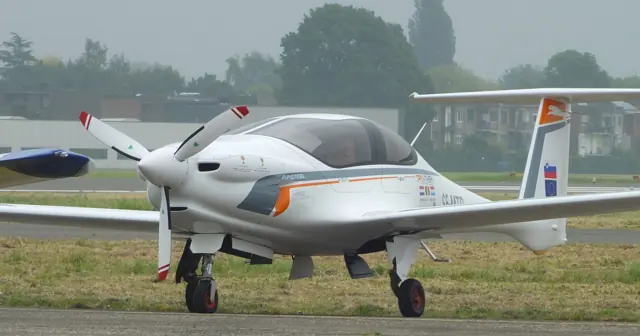
Pipistrel's streamlined four-seat composite-aircraft design.
A radial-engine trainer that also served in combat and civilian warbird roles.
A shorter wide-body Airbus from the transition to two-pilot, electronic-instrument cockpits.
A box-shaped utility twin whose cabin and rear access are central to its design.
Mooney's four-seat piston family, developed through many touring-aircraft variants.
This is AirframeDB’s first release. More features and aircraft research are planned. Leave your email if you’d like occasional updates.