MSFS
Airbus A300-600R ↗
Airbus's first production aircraft, built around a twin-engine wide-body layout.
2 implementations+ Compare
Explore the aircraft. Find your simulator. Follow the sources.
Airbus's first production aircraft, built around a twin-engine wide-body layout.
A tandem-seat utility aircraft whose light structure and high wing suit bush, towing and recreational work.
An open, single-seat ultralight with its propeller behind the pilot.
A huge wooden flying-boat prototype that made one brief flight in 1947.
Avro's delta-wing bomber, developed for Britain's postwar strategic force.
A four-bladed utility helicopter developed from the LongRanger lineage.
A two-seat naval fighter with variable-sweep wings and a cockpit built around pilot and radar-intercept officer roles.
A single-seat aerobatic monoplane that also became a familiar air-racing aircraft.
Piper's PA-31 utility twin, used in commuter, cargo and corporate transport.
A lightweight short-field aircraft with a specialised wing and tall, shock-absorbing landing gear.
A two-seat composite trainer with a low wing and a large canopy.
A large twin-engine helicopter from the Super Puma line, used for offshore and public-service work.
SOCATA's touring-aircraft family, including the Tobago and Trinidad.
A high-wing utility aircraft known for short-field work and a broad choice of working configurations.
A two-seat light amphibian with a compact boat hull and a pusher propeller.
Dassault's long-range Falcon 8X, developed from the three-engine 7X.
Cirrus's first type-certified aircraft, a composite piston single.
A high-wing utility turboprop designed for short-field passenger and cargo work.
The JetRanger and LongRanger family: a familiar turbine-helicopter shape with distinct cabin lengths.
A modern utility single whose family includes both tailwheel and nosewheel configurations.
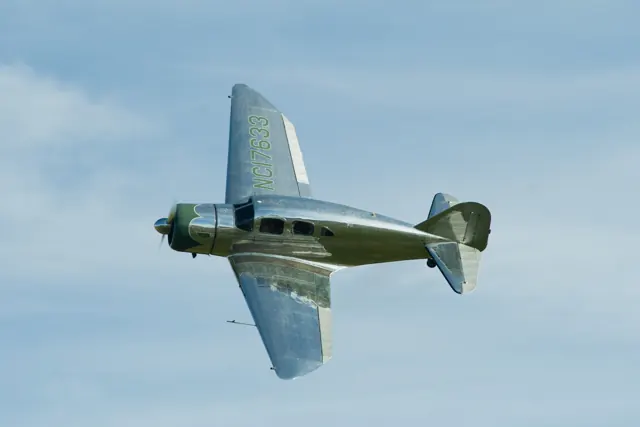
A late-1930s cabin aircraft with metal construction and retractable landing gear.
A small twin-engine amphibian that moved from business transport into military and utility service.
A push-pull twin with one engine at each end of the central fuselage.
The Wilga is the real-aircraft starting point for Mike Patey's DRACO and the simulator's DRACO X.
This is AirframeDB’s first release. More features and aircraft research are planned. Leave your email if you’d like occasional updates.