X-Plane
Lancair Legacy ↗
A two-seat composite kit aircraft developed from the Lancair 320.
1 implementations+ Compare
Explore the aircraft. Find your simulator. Follow the sources.
A two-seat composite kit aircraft developed from the Lancair 320.
A lightweight short-field aircraft with a specialised wing and tall, shock-absorbing landing gear.
A French two-seat aerobatic trainer with side-by-side seating and a distinctive curved wing outline.
A self-launching sailplane family with its engine inside the fuselage and a folding nose propeller.
A two-seat light amphibian with a compact boat hull and a pusher propeller.
A high-wing utility aircraft known for short-field work and a broad choice of working configurations.
A shorter wide-body Airbus from the transition to two-pilot, electronic-instrument cockpits.
A Swedish reconnaissance and dive-bombing aircraft from the early 1940s.
A tandem-seat light aircraft with a streamlined low-wing layout.
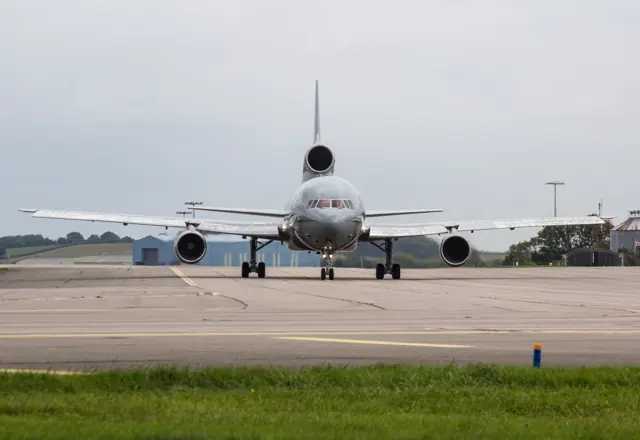
Lockheed's wide-body TriStar, with three RB211 engines and a distinctive tail intake.
A six-engine flying boat created for long-distance passenger travel over water.
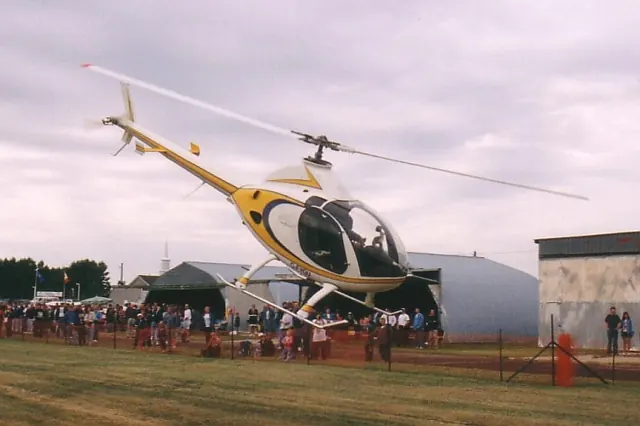
A small two-seat piston helicopter with a two-bladed main rotor.
The Stationair utility family, combining a high wing with fixed landing gear.
A four-engine airliner that brought pressurised-cabin travel into scheduled service.
A two-seat Tecnam high-wing aircraft combining composite and metal construction.
An open, single-seat ultralight with its propeller behind the pilot.
RotorWay's two-seat kit-helicopter family, with piston and turbine simulator interpretations.
A twin-turboprop regional airliner developed through Swedish and American industrial cooperation.
A pioneering light helicopter whose bubble cabin and exposed structure became widely recognisable.
Epic's experimental light-jet project, represented in simulation by Aerobask.
Regional flying built around a high wing, two turboprops and short sectors.
A military liaison aircraft built around a high wing, tandem cabin and short-field utility work.
A cabin biplane with the lower wing placed ahead of the upper one.
This is AirframeDB’s first release. More features and aircraft research are planned. Leave your email if you’d like occasional updates.