MSFS X-Plane
Embraer E-Jets ↗
A four-abreast regional-jet family spanning the E170, E175, E190 and E195.
2 implementations+ Compare
Explore the aircraft. Find your simulator. Follow the sources.
A four-abreast regional-jet family spanning the E170, E175, E190 and E195.
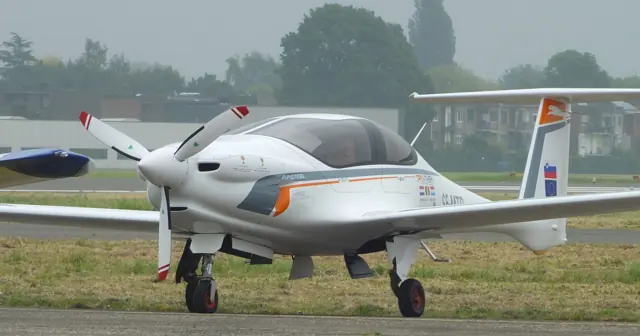
Pipistrel's streamlined four-seat composite-aircraft design.
A long-range trijet developed from the DC-10 with a stretched fuselage and revised wing and cockpit.
A single-engine utility helicopter known as the Écureuil, Squirrel and AStar.
Avro's delta-wing bomber, developed for Britain's postwar strategic force.
A modern composite twin with a roomy cabin and two wing-mounted piston engines.
A personal jet with one engine above the rear fuselage and a distinctive V-tail.
The four-engine Flying Fortress, a major American bomber of the Second World War.
SOCATA's touring-aircraft family, including the Tobago and Trinidad.
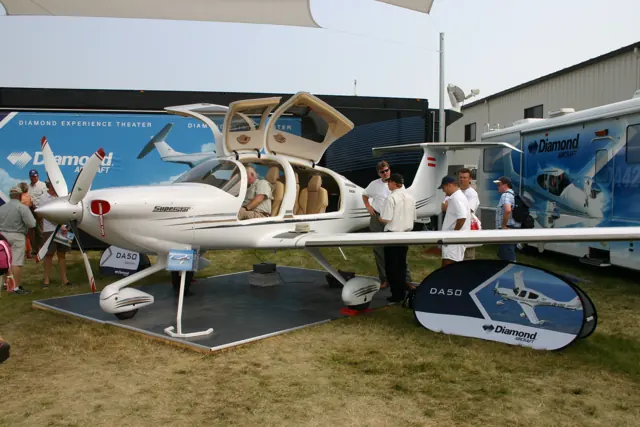
A five-seat composite single whose development led to the diesel DA50 RG.
Epic's experimental light-jet project, represented in simulation by Aerobask.
A tandem two-seat sailplane designed for instruction and broader soaring use.
A streamlined light twin helicopter, with the later Bell 230 in the same family.
A push-pull twin with one engine at each end of the central fuselage.
A long-range twin designed around a new wide-body airframe and extensive composite construction.
A light business jet with a swept wing, rear-mounted engines and an integrated flight deck.
A British jet trainer with tandem seating and a long military training career.
An open, single-seat ultralight with its propeller behind the pilot.
A high-wing utility turboprop designed for short-field passenger and cargo work.
A low-wing piston twin that carries the Beechcraft touring-aircraft lineage into two-engine flying.
A tandem-seat homebuilt jet with composite construction and retractable landing gear.
A swept-wing business jet designed around high subsonic cruise speed.
An advanced trainer known around the world as the Texan, Harvard and SNJ.
A heavy transport helicopter whose two large rotors remove the need for a tail rotor.
This is AirframeDB’s first release. More features and aircraft research are planned. Leave your email if you’d like occasional updates.