MSFS
Boeing 787-10 Dreamliner ↗
A long-range twin whose programme emphasised composite construction and more electrically powered systems.
2 implementations+ Compare
Explore the aircraft. Find your simulator. Follow the sources.
A long-range twin whose programme emphasised composite construction and more electrically powered systems.
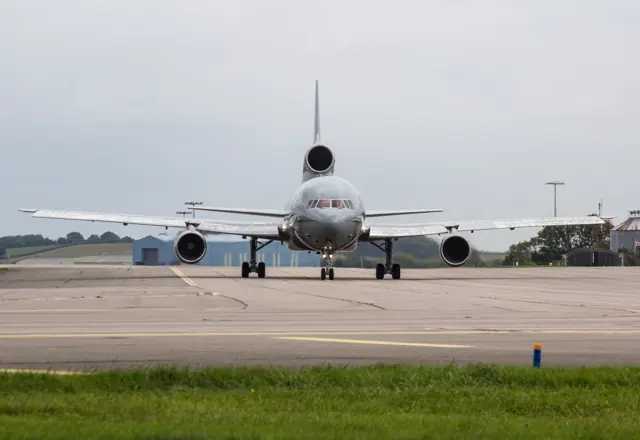
Lockheed's wide-body TriStar, with three RB211 engines and a distinctive tail intake.
Beechcraft's Model 76, designed to introduce pilots to twin-engine flying.
The four-engine wide-body whose raised flight deck created one of aviation's most recognisable profiles.
A four-seat composite touring and training aircraft developed from Diamond's smaller two-seater.
A long-range trijet developed from the DC-10 with a stretched fuselage and revised wing and cockpit.
A long-running touring single, familiar in both V-tail and conventional-tail forms.
A four-bladed utility helicopter developed from the LongRanger lineage.
A small two-seat piston helicopter with a two-bladed main rotor.
A regional jet family with four small engines, a high wing and a large split tail airbrake.
A four-engine airliner that brought pressurised-cabin travel into scheduled service.
A light turbine helicopter whose land-based Scout and naval Wasp branches served different jobs.
A two-seat naval fighter with variable-sweep wings and a cockpit built around pilot and radar-intercept officer roles.
A rear-engined trijet built to bring jet service to shorter routes and smaller airports.
A close-air-support aircraft with a straight wing, twin tail and two widely separated jet engines.
A post-war Czech light twin with a rounded cabin and engines carried on a low wing.
A corrugated-metal, three-engine transport from the formative years of airline travel.
A box-shaped utility twin whose cabin and rear access are central to its design.
A regional turboprop family whose short early versions and larger Q400 have different proportions and systems.
A hybrid-electric regional-airliner concept represented in the simulator while the real programme develops.
A lightweight pusher family with an enclosed cabin and a high, braced wing.
Tecnam's four-seat high-wing single, built with metal and carbon-fibre components.
Tecnam's two-seat, low-wing Sierra, introduced in the early 2000s.
A wooden touring-aircraft family recognisable by the upward-angled outer wing panels.
This is AirframeDB’s first release. More features and aircraft research are planned. Leave your email if you’d like occasional updates.