MSFS
Granville Gee Bee R2 / Z ↗
A compact racing aeroplane built around a large radial engine and very short fuselage.
1 implementations+ Compare
Explore the aircraft. Find your simulator. Follow the sources.
A compact racing aeroplane built around a large radial engine and very short fuselage.
A lightweight short-field aircraft with a specialised wing and tall, shock-absorbing landing gear.
A two-seat training single with a high wing and fixed tricycle landing gear.
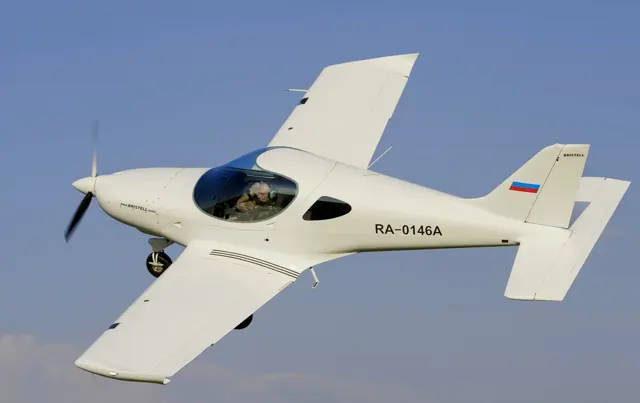
BRM Aero's two-seat B23, represented in MSFS by Airfoillabs.
A large twin-engine helicopter from the Super Puma line, used for offshore and public-service work.
A two-seat Tecnam high-wing aircraft combining composite and metal construction.
A four-engine airliner whose history also includes long-range maritime military service.
SOCATA's touring-aircraft family, including the Tobago and Trinidad.
A six-seat composite single turboprop with a pressurised cabin and retractable gear.
A rear-engined trijet built to bring jet service to shorter routes and smaller airports.
A small twin-engine amphibian that moved from business transport into military and utility service.
A two-seat composite kit aircraft developed from the Lancair 320.
A British jet trainer with tandem seating and a long military training career.
A carbon-fibre aerobatic monoplane family with a dedicated air-racing branch.
A lightweight pusher family with an enclosed cabin and a high, braced wing.
A narrow-body twin developed as a new generation of medium-range airliner.
A four-bladed utility helicopter developed from the LongRanger lineage.
A compact Japanese twin turboprop with a high wing and pressurised cabin.
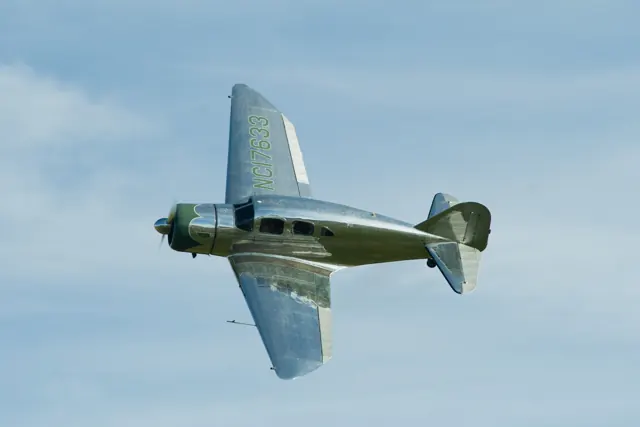
A late-1930s cabin aircraft with metal construction and retractable landing gear.
A low-wing agricultural Cessna with a cockpit and hopper arranged around the job.
Lockheed's tandem-seat Shooting Star jet trainer.
The fixed-gear, six-cylinder touring branch of Piper's PA-28 family.
An advanced trainer known around the world as the Texan, Harvard and SNJ.
A twin-turboprop family whose smaller conventional-tail and larger T-tail branches have distinct identities.
This is AirframeDB’s first release. More features and aircraft research are planned. Leave your email if you’d like occasional updates.