MSFS
Draco X ↗
The Wilga is the real-aircraft starting point for Mike Patey's DRACO and the simulator's DRACO X.
1 implementations+ Compare
Explore the aircraft. Find your simulator. Follow the sources.
The Wilga is the real-aircraft starting point for Mike Patey's DRACO and the simulator's DRACO X.
A tandem-seat utility aircraft whose light structure and high wing suit bush, towing and recreational work.
The purpose-built Ryan monoplane used by Charles Lindbergh for his 1927 solo Atlantic crossing.
A streamlined light twin helicopter, with the later Bell 230 in the same family.
Regional flying built around a high wing, two turboprops and short sectors.
A high-wing utility aircraft known for short-field work and a broad choice of working configurations.
A swept-wing business jet designed around high subsonic cruise speed.
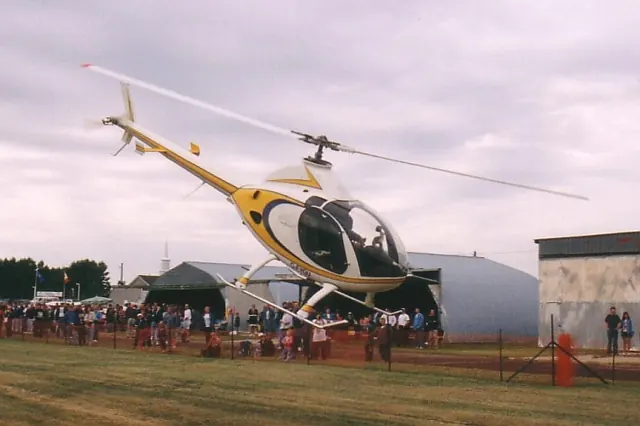
RotorWay's two-seat kit-helicopter family, with piston and turbine simulator interpretations.
A composite touring single with a whole-aircraft parachute and several generations of avionics.
Avro's delta-wing bomber, developed for Britain's postwar strategic force.
A two-seat naval fighter with variable-sweep wings and a cockpit built around pilot and radar-intercept officer roles.
A family of single-aisle airliners built around sidesticks, electronic flight controls and a shared cockpit.
A single-engine utility helicopter known as the Écureuil, Squirrel and AStar.
A three-engine airliner that became a mainstay of Soviet and Russian passenger transport.
A four-engine military turboprop designed to combine tactical access with long-distance transport.
A compact Japanese twin turboprop with a high wing and pressurised cabin.
A vast inter-war flying boat with twelve engines arranged in six paired installations.
The four-engine wide-body whose raised flight deck created one of aviation's most recognisable profiles.
A military transport developed from the DC-3, used for cargo, troops, parachuting and glider towing.
A tandem-seat homebuilt jet with composite construction and retractable landing gear.
A shorter wide-body Airbus from the transition to two-pilot, electronic-instrument cockpits.
A 1920s flying boat with two engines arranged in tandem above the wing.
A pressurised touring twin whose piston and turbine-conversion versions make a particularly interesting comparison.
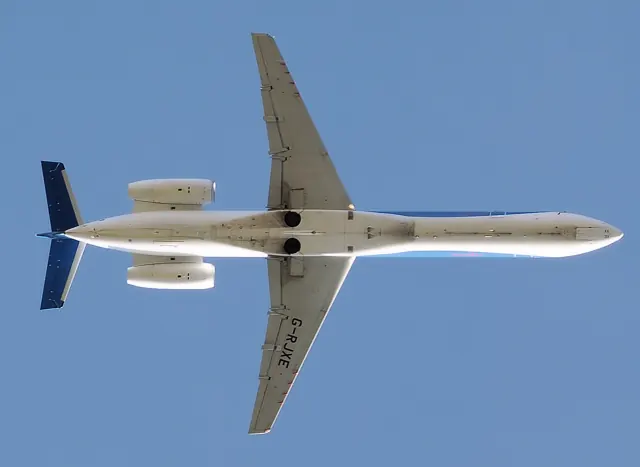
Embraer's regional-jet family, from the ERJ 135 to the longer ERJ 145.
This is AirframeDB’s first release. More features and aircraft research are planned. Leave your email if you’d like occasional updates.