MSFS X-Plane
Embraer E-Jets ↗
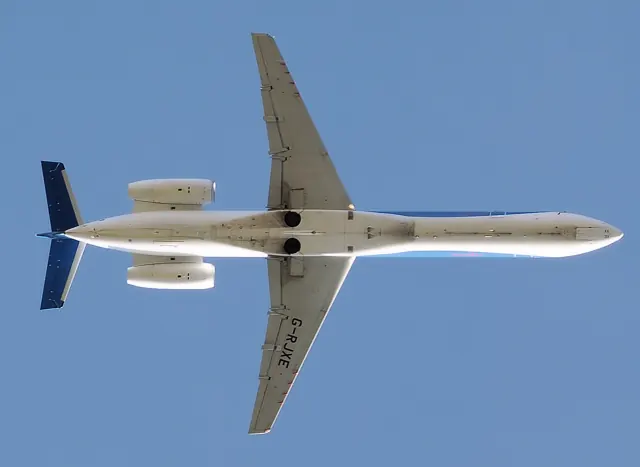
A four-abreast regional-jet family spanning the E170, E175, E190 and E195.
2 implementations+ Compare
Explore the aircraft. Find your simulator. Follow the sources.
A four-abreast regional-jet family spanning the E170, E175, E190 and E195.
A two-seat composite trainer with a low wing and a large canopy.
An open, single-seat ultralight with its propeller behind the pilot.
Tecnam's four-seat high-wing single, built with metal and carbon-fibre components.
A purpose-built aerobatic monoplane family developed by pilot and designer Walter Extra.
A small two-seat piston helicopter with a two-bladed main rotor.
A regional jet family with four small engines, a high wing and a large split tail airbrake.
A huge wooden flying-boat prototype that made one brief flight in 1947.
A three-engine airliner that became a mainstay of Soviet and Russian passenger transport.
A utility-aircraft family whose stretched 207 branch trades compact proportions for more cabin space.
A compact racing aeroplane built around a large radial engine and very short fuselage.
Embraer's regional-jet family, from the ERJ 135 to the longer ERJ 145.
A long-range twin whose programme emphasised composite construction and more electrically powered systems.
A wartime fighter developed from the earlier Curtiss P-36.
A four-engine jetliner that helped establish the shape of long-distance jet travel.
A lightweight short-field aircraft with a specialised wing and tall, shock-absorbing landing gear.
A post-war Businessliner with a radial engine, cabin transport ambitions and tailwheel gear.
A tandem-seat homebuilt jet with composite construction and retractable landing gear.
A composite, low-wing touring single with fixed gear and a turbocharged engine.
A turbine-powered utility helicopter with a broad cabin and a long international service history.
Avro's delta-wing bomber, developed for Britain's postwar strategic force.
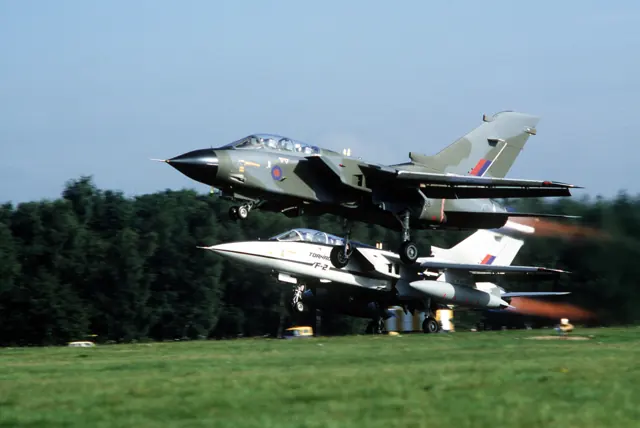
A European variable-sweep combat-aircraft family with distinct strike and interceptor versions.
A heavy transport helicopter whose two large rotors remove the need for a tail rotor.
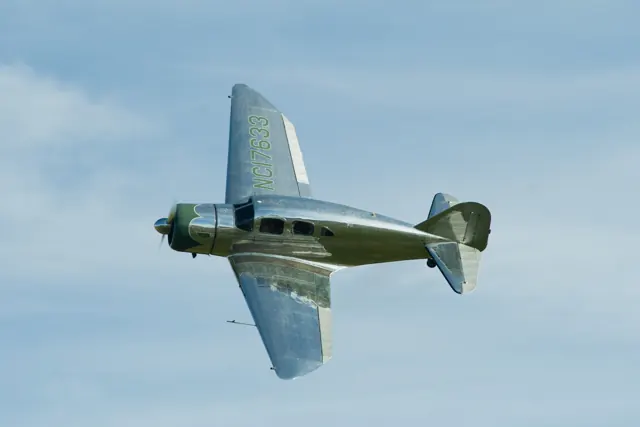
A late-1930s cabin aircraft with metal construction and retractable landing gear.
This is AirframeDB’s first release. More features and aircraft research are planned. Leave your email if you’d like occasional updates.