MSFS
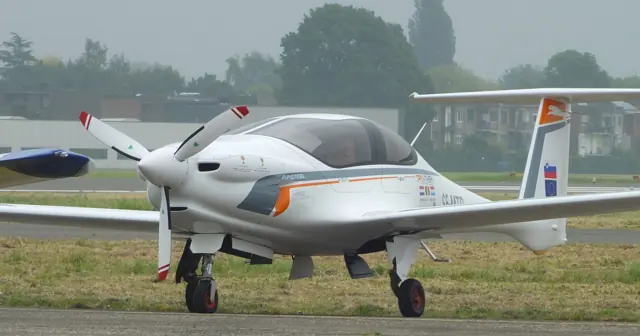
Pipistrel Taurus M ↗
A side-by-side two-seat sailplane with a retractable powerplant for self-launching.
1 implementations+ Compare
Explore the aircraft. Find your simulator. Follow the sources.
A side-by-side two-seat sailplane with a retractable powerplant for self-launching.
A tandem two-seat sailplane family used for training and cross-country soaring.
A 1920s flying boat with two engines arranged in tandem above the wing.
A pioneering all-metal transport with an enclosed passenger cabin and corrugated skin.
A five-seat turbine helicopter developed from Robinson's smaller piston-helicopter line.
A four-engine airliner whose history also includes long-range maritime military service.
A pressurised four-engine piston transport from the last major generation before the jet airliner.
A four-engine airliner that brought pressurised-cabin travel into scheduled service.
A modern medium twin-engine helicopter developed as a successor to the Dauphin line.
An enlarged Velocity kit aircraft with a canard and rear-mounted pusher propeller.
An amphibious turboprop designed around scooping water and delivering it to fires.
A large twin-radial transport that carried heavy loads through wartime and post-war freight service.
A short-field Savage with leading-edge slats and a distinct Got Friends simulator implementation.
A huge wooden flying-boat prototype that made one brief flight in 1947.
An open, single-seat ultralight with its propeller behind the pilot.
A heavy-lift helicopter built around an open frame and an external working load.
RotorWay's two-seat kit-helicopter family, with piston and turbine simulator interpretations.
A pressurised touring twin whose piston and turbine-conversion versions make a particularly interesting comparison.
A carrier-capable multirole fighter, larger than the earlier Hornet from which it developed.
Pipistrel's streamlined four-seat composite-aircraft design.
A long-range twin whose programme emphasised composite construction and more electrically powered systems.
Beechcraft's Model 76, designed to introduce pilots to twin-engine flying.
A late-1930s cabin aircraft with metal construction and retractable landing gear.
A two-seat Tecnam high-wing aircraft combining composite and metal construction.
This is AirframeDB’s first release. More features and aircraft research are planned. Leave your email if you’d like occasional updates.