MSFS
Dornier Do X ↗
A vast inter-war flying boat with twelve engines arranged in six paired installations.
1 implementations+ Compare
Explore the aircraft. Find your simulator. Follow the sources.
A vast inter-war flying boat with twelve engines arranged in six paired installations.
An Italian light aircraft known for military training and aerobatic use.
A tandem-seat jet trainer that also found a second life in civilian display and racing.
A compact Czech touring aircraft with side-by-side seats and a streamlined low-wing airframe.
Airbus's first production aircraft, built around a twin-engine wide-body layout.
An open-cockpit biplane trainer that found a second life in civilian flying.
A tandem two-seat sailplane family used for training and cross-country soaring.
A two-seat composite trainer with a low wing and a large canopy.
A Swedish reconnaissance and dive-bombing aircraft from the early 1940s.
A long-range twin designed around a new wide-body airframe and extensive composite construction.
A compact aerobatic biplane family with both single-seat and tandem-seat branches.
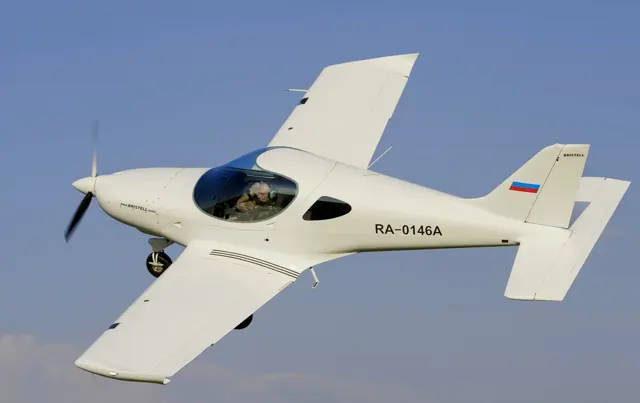
BRM Aero's two-seat B23, represented in MSFS by Airfoillabs.
Avro's delta-wing bomber, developed for Britain's postwar strategic force.
A streamlined twin-engine helicopter with a Fenestron tail rotor and retractable landing gear.
A stretched development of the DC-9 with rear-mounted engines and a five-abreast cabin.
A compact twin-engine transport helicopter with retractable gear and a long development history.
A pressurised single turboprop with a large cargo door and a broad range of working roles.
A six-engine flying boat created for long-distance passenger travel over water.
Lockheed's tandem-seat Shooting Star jet trainer.
A very light twin jet developed from the Eclipse 500.
A compact twin-engine helicopter widely used for medical, police and training work.
The purpose-built Ryan monoplane used by Charles Lindbergh for his 1927 solo Atlantic crossing.
A long-range trijet developed from the DC-10 with a stretched fuselage and revised wing and cockpit.
A cabin biplane with the lower wing placed ahead of the upper one.
This is AirframeDB’s first release. More features and aircraft research are planned. Leave your email if you’d like occasional updates.