MSFS
ICON A5 ↗
A two-seat light amphibian with a compact boat hull and a pusher propeller.
2 implementations+ Compare
Explore the aircraft. Find your simulator. Follow the sources.
A two-seat light amphibian with a compact boat hull and a pusher propeller.
A compact Japanese twin turboprop with a high wing and pressurised cabin.
A four-bladed utility helicopter developed from the LongRanger lineage.
A high-wing utility aircraft known for short-field work and a broad choice of working configurations.
A radial-engine trainer that also served in combat and civilian warbird roles.
A narrow-body twin developed as a new generation of medium-range airliner.
The Wilga is the real-aircraft starting point for Mike Patey's DRACO and the simulator's DRACO X.
A tandem-seat jet trainer that also found a second life in civilian display and racing.
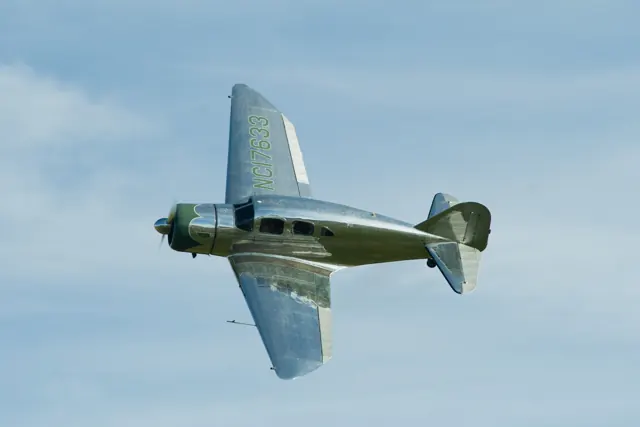
A late-1930s cabin aircraft with metal construction and retractable landing gear.
Tecnam's two-seat, low-wing Sierra, introduced in the early 2000s.
A compact rear-engined jet designed for short-haul regional airline work.
A pioneering all-metal transport with an enclosed passenger cabin and corrugated skin.
A small two-seat piston helicopter with a two-bladed main rotor.
A four-seat kit-built touring aircraft that expanded the RV family beyond two-seat designs.
A military transport developed from the DC-3, used for cargo, troops, parachuting and glider towing.
A compact twin-engine helicopter widely used for medical, police and training work.
A compact two-seat light aircraft with a high wing and a wide range of development variants.
Lockheed's tandem-seat Shooting Star jet trainer.
A pressurised four-engine piston transport from the last major generation before the jet airliner.
A two-seat composite trainer with a low wing and a large canopy.
A 1920s flying boat with two engines arranged in tandem above the wing.
An advanced trainer known around the world as the Texan, Harvard and SNJ.
A radial-engined utility aircraft closely associated with bush flying and float operations.
A heavy transport helicopter whose two large rotors remove the need for a tail rotor.
This is AirframeDB’s first release. More features and aircraft research are planned. Leave your email if you’d like occasional updates.